Guild Gardens: 5 Plant Teams That Work Magic Together
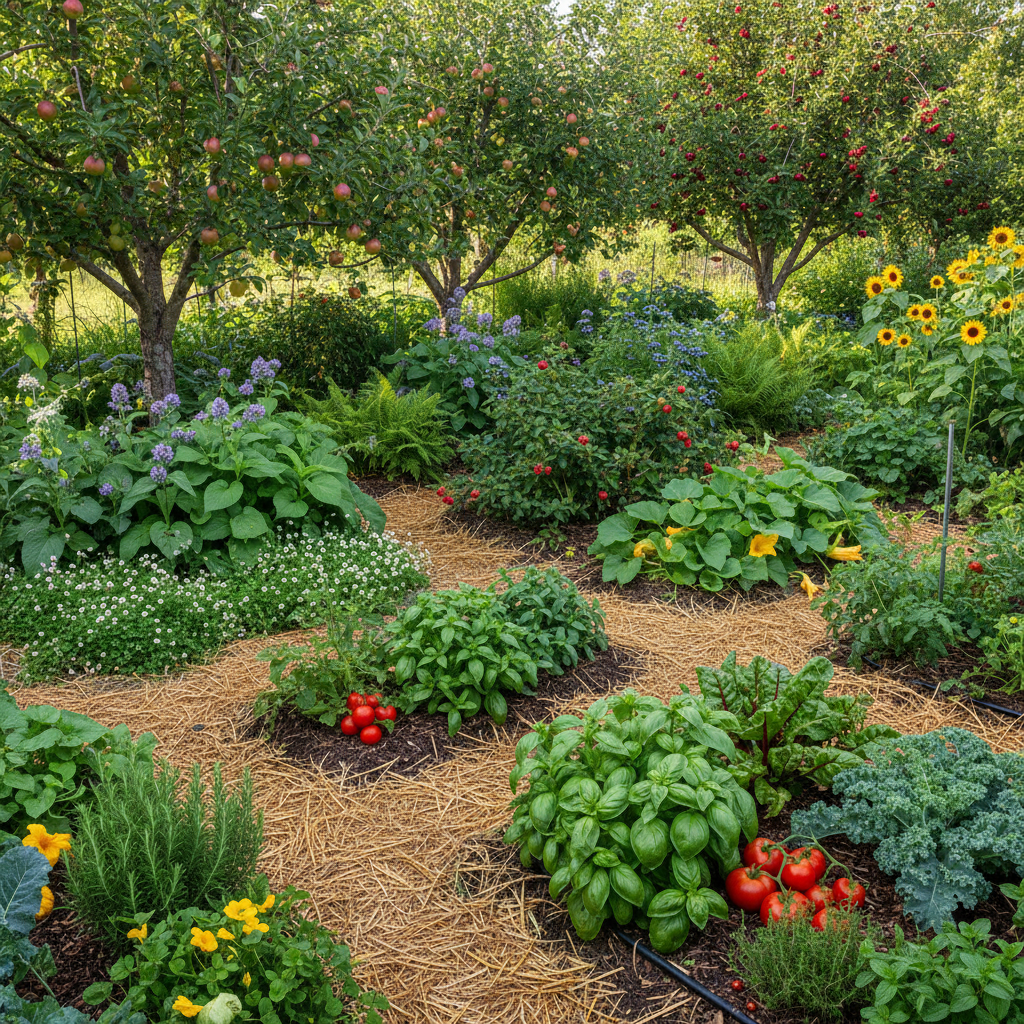
Guild gardens represent the next evolution beyond basic companion planting. These carefully designed plant guilds create self-sustaining ecosystems where each member contributes unique benefits while supporting the whole community. Instead of random plant partnerships, guild gardens mimic natural forest systems where plants work together to improve soil, control pests, and maximize yields in minimal space.
Think of plant guilds as nature’s ultimate teamwork. Each plant fills a specific role – nitrogen fixer, pest deterrent, soil improver, or ground cover – creating a harmonious community that thrives with less input from you. This permaculture approach transforms your garden into a productive, low-maintenance ecosystem.
Understanding Plant Guilds: Nature’s Blueprint
Plant guilds go far beyond simple companion planting. While companions might share space nicely, guild members actively support each other’s growth and health. These living partnerships mirror what happens naturally in forests, where multiple plant layers create beneficial relationships.
In a successful plant guild, you might find a nitrogen-fixing shrub feeding nearby fruit trees, ground covers preventing weeds while retaining soil moisture, and aromatic herbs deterring pests from the entire community. This interconnected approach creates resilient gardens that actually improve over time.
Before diving into specific guild combinations, it’s essential to understand your garden’s unique conditions. Mapping your garden microclimates helps you place each guild where it will thrive naturally, reducing maintenance and maximizing success.
Guild Garden #1: The Apple Tree Community
This classic plant guild centers around an apple tree as the main crop producer. Surrounding guild members each contribute specific benefits that support the tree’s health and productivity.
Guild Members:
• Apple tree (main crop)
• Comfrey (dynamic accumulator)
• Chives (pest deterrent)
• Nasturtiums (trap crop and ground cover)
• White clover (nitrogen fixer)
The comfrey’s deep taproot mines nutrients from lower soil layers, making them available when its leaves decompose. Chives repel aphids and other common apple pests with their sulfur compounds. Nasturtiums attract beneficial insects while serving as trap crops for aphids, and white clover continuously adds nitrogen to the soil.
This guild works beautifully in spaces as small as 12 feet diameter. The tree provides vertical structure while ground-level plants maximize horizontal space usage.
Guild Garden #2: The Three Sisters Plus
Building on the traditional Three Sisters method, this enhanced plant guild adds two more members to create an even more beneficial community. This combination excels in sunny, well-drained locations.
Guild Members:
• Corn (vertical structure)
• Pole beans (nitrogen fixer)
• Winter squash (ground cover)
• Sunflowers (pest trap and bird habitat)
• Marigolds (pest deterrent)
The classic trio provides the foundation: corn supports climbing beans, beans fix nitrogen for heavy-feeding corn and squash, while squash leaves shade soil and deter pests. Sunflowers serve as additional climbing support and attract beneficial insects before becoming bird food. Marigolds throughout the guild repel soil nematodes and cucumber beetles.
This guild produces substantial harvests from a compact 8×8 foot area. Plant corn and sunflowers first, add beans two weeks later, then plant squash and marigolds around the perimeter.
Guild Garden #3: The Berry Patch Alliance
This plant guild creates a productive berry ecosystem that thrives with minimal maintenance once established. It works particularly well in partial shade areas where many vegetables struggle.
Guild Members:
• Blueberry bushes (main crop)
• Wild ginger (ground cover)
• Hostas (pest deterrent and shade tolerance)
• Ferns (soil improvement)
• Wintergreen (aromatic ground cover)
Blueberries prefer acidic soil, which the decomposing fern fronds naturally provide. Wild ginger creates dense ground cover that suppresses weeds while its aromatic roots deter underground pests. Hostas’ thick leaves provide slug habitat away from berry bushes, while wintergreen adds pleasant fragrance and edible leaves.
This guild develops slowly but becomes increasingly productive and self-maintaining over three to five years. The layered planting mimics natural woodland understory conditions.
Guild Garden #4: The Mediterranean Herb Spiral
Perfect for hot, dry climates, this plant guild creates a water-wise community that produces abundant herbs while supporting beneficial insects and improving soil gradually.
Guild Members:
• Rosemary (central shrub)
• Lavender (aromatic pest deterrent)
• Oregano (ground cover)
• Sage (beneficial insect attractor)
• Thyme (living mulch)
Rosemary provides vertical structure and year-round greenery while deterring many garden pests. Lavender attracts beneficial insects and repels moths and fleas. Oregano spreads to create natural weed suppression, while sage flowers feed bees and other pollinators. Thyme forms dense mats that prevent soil erosion.
This drought-tolerant guild thrives in poor soils and actually performs better with minimal watering once established. The aromatic plants create a natural pest-free zone extending beyond the guild boundaries.
For gardeners interested in expanding their skills, layered learning approaches can help you gradually master these more complex planting strategies.
Guild Garden #5: The Tomato Support System
This plant guild transforms typical tomato growing by creating a supportive community that reduces common problems while boosting production. It works excellently in raised beds or container gardens.
Guild Members:
• Determinate tomatoes (main crop)
• Basil (pest deterrent and flavor enhancer)
• Parsley (beneficial insect habitat)
• French marigolds (soil improvement)
• Lettuce (cool season companion)
Basil planted near tomatoes reportedly improves fruit flavor while deterring hornworms and whiteflies. Parsley provides habitat for beneficial insects that prey on tomato pests. French marigolds release compounds that suppress soil nematodes harmful to tomato roots. Lettuce grows in the cooler microclimate created by tomato foliage.
Plant this guild after soil temperatures reach 60°F consistently. The lettuce can be harvested before tomatoes need full space, maximizing early season productivity.
Designing Your Plant Guilds Successfully
Creating effective plant guilds requires understanding each member’s specific needs and contributions. Start small with one guild and observe how plants interact before expanding your system.
Consider mature plant sizes when spacing guild members. Many beginners overcrowd initially, leading to competition rather than cooperation. Allow adequate space for each plant to fulfill its role without overwhelming neighbors.
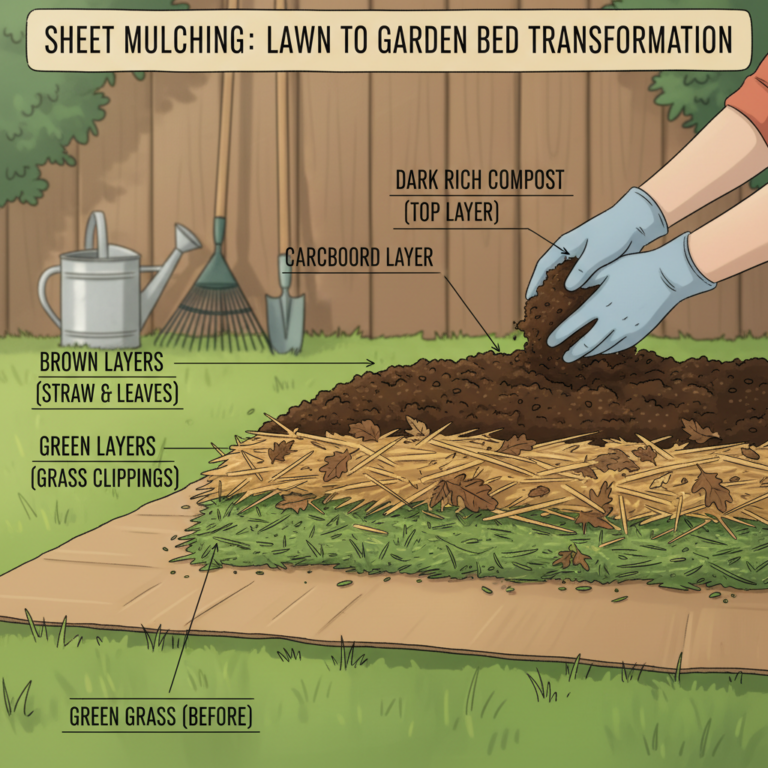
Soil preparation becomes crucial for guild success. Understanding your soil conditions helps you choose appropriate guild combinations and make necessary amendments before planting.
Timing matters significantly in guild establishment. Plant perennial members first, allowing them to establish before adding annual crops. This creates stable foundations for temporary guild members.
Maintenance and Long-Term Guild Management
Established plant guilds require different maintenance approaches than traditional gardens. Focus on supporting beneficial relationships rather than managing individual plants separately.
Observe guild dynamics throughout growing seasons. Some plants may become too vigorous and require pruning to maintain balance. Others might need protection or additional support to fulfill their roles effectively.
Successful guilds often inspire expansion into larger permaculture systems. These plant communities can serve as building blocks for more complex garden ecosystems that provide food, habitat, and ecological services.
Plant guilds represent practical permaculture in action, creating productive gardens that work with natural processes rather than against them. Start with one guild this season and experience the magic of plants working together for mutual benefit and abundant harvests.