Plant Guilds: Create Garden Communities That Thrive Together
Imagine your garden as a bustling neighborhood where every resident has a job that helps their neighbors thrive. That’s exactly what plant guilds accomplish—they’re carefully designed communities of plants that work together, sharing resources and supporting each other’s growth naturally. Instead of fighting for space and nutrients, guild members collaborate to create a healthier, more productive garden ecosystem.
Think of it this way: while monoculture gardens are like apartment buildings where everyone lives separately, plant guilds are like intentional communities where neighbors share tools, watch each other’s kids, and help with yard work. The result? Less work for you and better outcomes for everyone involved.
What Are Plant Guilds and Why Do They Work?
A plant guild is a group of plants that naturally support each other through complementary functions. Some plants fix nitrogen in the soil, others attract beneficial insects, while others provide ground cover or natural pest control. This cooperative approach mimics how plants grow in nature—never in isolation, but always in communities.
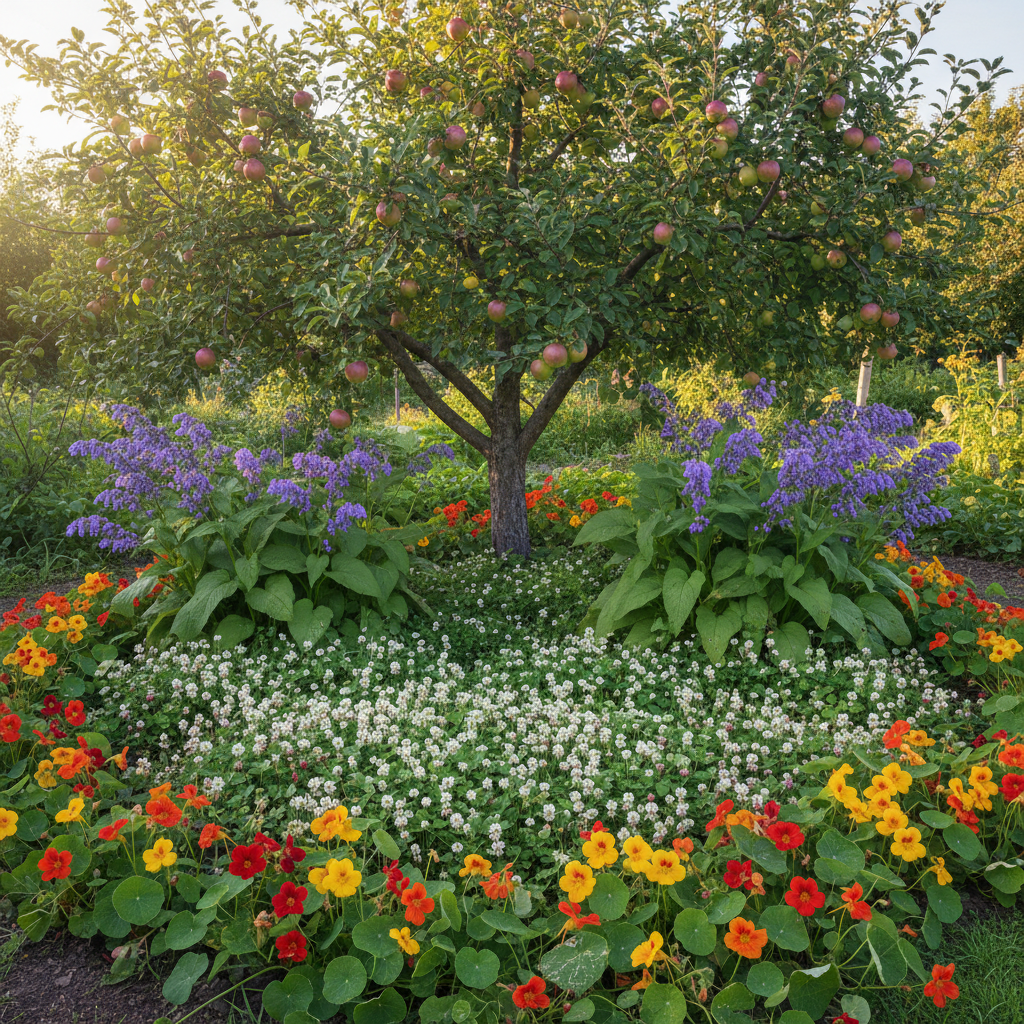
The magic happens through what permaculture experts call “stacking functions.” Each plant serves multiple purposes, creating a web of mutual benefits. For example, in a classic apple tree guild, comfrey provides deep nutrients, nasturtiums ward off pests, and clover fixes nitrogen—all while the apple tree provides shade and structure for the entire community.
What makes guilds so appealing for home gardeners is their efficiency. Once established, they require less water, fewer fertilizers, and minimal pest management. Plus, they’re incredibly resilient because if one plant struggles, the others can pick up the slack.
The Science Behind Plant Partnerships
Plant guilds work because they leverage natural relationships that have evolved over millions of years. Mycorrhizal fungi create underground networks that share nutrients between plants. Some plants release compounds that inhibit harmful bacteria or insects. Others accumulate specific minerals that benefit their neighbors when their leaves decompose.
This isn’t just garden theory—it’s proven science. Companion planting research consistently shows that diverse plant communities outperform monocultures in yield, pest resistance, and soil health. When you build plant guilds, you’re simply organizing these natural partnerships more intentionally.
Building Your First Plant Guild: The Apple Tree Community
Let’s start with the most popular and proven guild: the apple tree guild. This is perfect for beginners because apple trees are relatively low-maintenance, and the supporting plants are easy to grow.
Your apple tree serves as the “keystone species”—the central anchor around which everything else revolves. Choose a dwarf or semi-dwarf variety appropriate for your climate zone. If you need help with plant selection based on your growing conditions, check out our Plant Selection Spectrum guide for detailed advice.
Supporting Cast Members
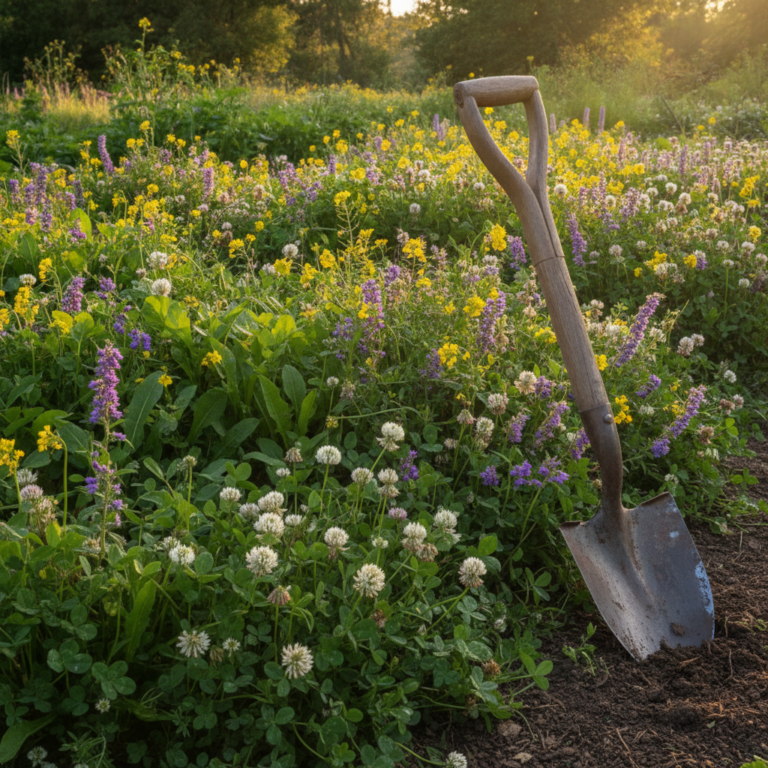
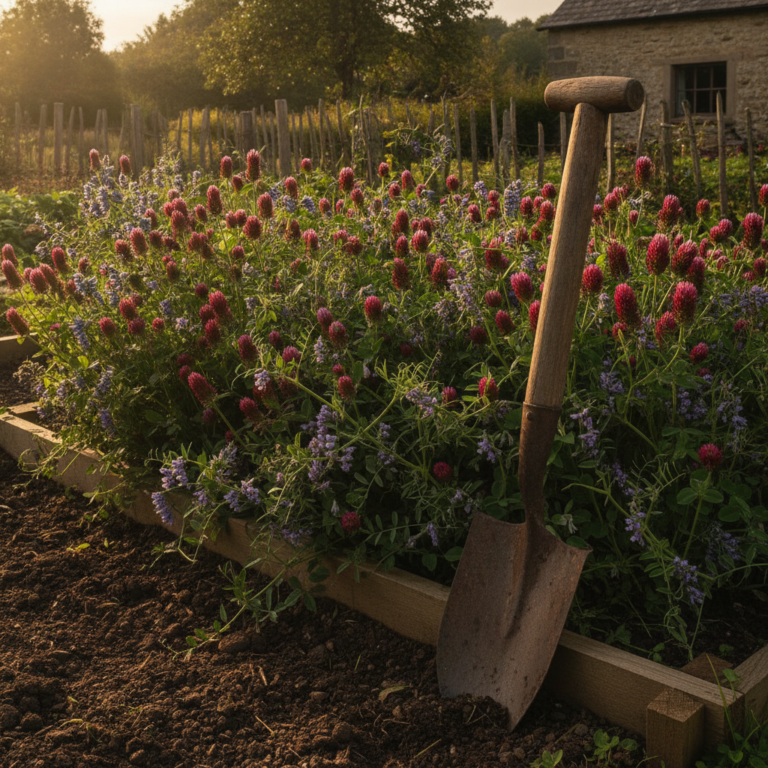
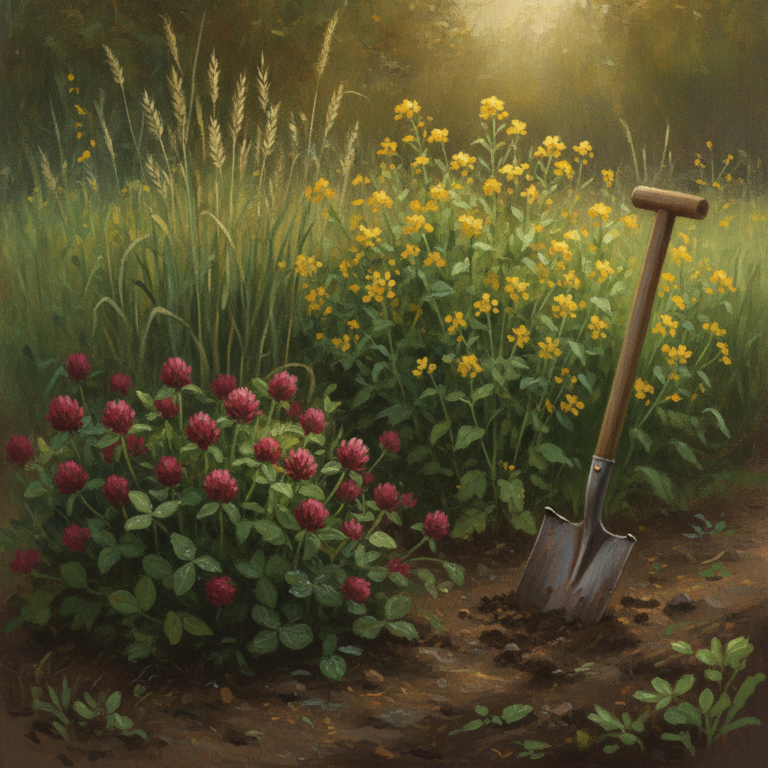
Nitrogen fixers: Plant white clover or vetch in a ring around your tree. These plants grab nitrogen from the air and share it through their root systems. They also provide living mulch that suppresses weeds and retains moisture.
Dynamic accumulators: Add comfrey plants about 4-6 feet from your tree. Comfrey’s deep taproot pulls nutrients from far below, then drops them on the surface as its large leaves decompose. It’s like having a natural fertilizer factory.
Pest deterrents: Nasturtiums planted around the guild’s perimeter attract beneficial insects while repelling aphids and other pests. They’re also edible—both flowers and leaves add peppery flavor to salads.
Ground covers: Fill gaps with wild strawberries or thyme. These low-growing plants prevent soil erosion, retain moisture, and provide additional food or herbs for your kitchen.
Designing Vegetable Plant Guilds That Produce
While fruit tree guilds get most of the attention, vegetable guilds can be equally rewarding and perfect for smaller spaces. The classic “Three Sisters” guild—corn, beans, and squash—demonstrates how vegetables can work together beautifully.
In this traditional Native American planting system, corn provides a living trellis for climbing beans. The beans fix nitrogen that feeds the heavy-feeding corn and squash. Meanwhile, squash spreads across the ground, shading the soil and deterring pests with its prickly leaves.
Modern Vegetable Guild Variations
The Tomato Guild: Surround tomato plants with basil (improves flavor and deters pests), marigolds (nematode control), and carrots (utilize space efficiently without competing for nutrients). Add some nasturtiums for additional pest protection and edible flowers.
The Brassica Guild: Plant kale or broccoli with aromatic herbs like dill, fennel, and chamomile. These herbs attract beneficial insects that prey on cabbage worms and aphids. Add some lettuce or spinach as a living mulch around the base.
Before establishing any guild, it’s crucial to understand your soil conditions. Our soil diagnostics guide will help you assess what your plants need to thrive together.
Layout Principles for Successful Guilds
Creating effective plant guilds isn’t just about choosing compatible plants—placement matters enormously. Think in three dimensions: canopy layer, shrub layer, herbaceous layer, and ground cover layer.
Size and spacing: Give each plant enough room to reach maturity without overcrowding. Research mature sizes before planting. A common mistake is placing plants too close together because they look sparse when young.
Sun requirements: Position taller plants on the north side (in the Northern Hemisphere) so they don’t shade smaller, sun-loving plants. Use shade-tolerant plants in naturally shaded areas beneath larger plants.
Root zones: Consider how different root systems interact. Deep-rooted plants like comfrey pair well with shallow-rooted plants like lettuce because they’re drawing nutrients from different soil layers.
Understanding your garden’s microclimates will help you place each guild member in its ideal spot. Our microclimate mapping guide provides step-by-step instructions for identifying these important variations in your space.
Timing Your Guild Establishment
Don’t try to install an entire guild at once. Start with your keystone species (like the fruit tree), then add supporting plants gradually over 1-2 seasons. This allows you to observe how each addition affects the system and make adjustments as needed.
Perennial guild members like fruit trees and comfrey should be planted first, as they’ll be permanent fixtures. Annual plants like nasturtiums and vegetables can be added and changed seasonally as you learn what works best in your specific conditions.
Common Guild Challenges and Simple Solutions
Even the best-planned guilds encounter challenges. Here are the most common issues and how to address them:
Overcrowding: This is the #1 beginner mistake. If plants look cramped or aren’t producing well, don’t be afraid to remove some guild members. It’s better to have a few thriving plants than many struggling ones.
Aggressive spreaders: Some plants like mint or Jerusalem artichokes can take over a guild. Use root barriers or plant them in containers within the guild to control their spread.
Nutrient competition: If plants show signs of nutrient deficiency despite your nitrogen-fixing guild members, add compost or organic fertilizer. Young guilds often need supplemental feeding until the system matures.
Seasonal gaps: Plan for year-round interest and function by including plants with different growing seasons. Early spring bulbs, summer annuals, and fall-producing plants ensure your guild stays active.
Troubleshooting Plant Relationships
Sometimes plants that should work well together don’t thrive in your specific conditions. That’s normal! Gardening is an ongoing experiment, and successful gardeners are always adjusting their approach.
Keep detailed notes about what works and what doesn’t. Our garden journaling templates make it easy to track your guild’s progress and identify patterns over time.
If certain combinations aren’t working, don’t hesitate to make changes. Remove struggling plants and try alternatives. The goal is creating a thriving ecosystem, not following a rigid plan.
Growing Your Guild Gardening Skills
Start small with one simple guild, master it, then expand your plant community approach throughout your garden. Each guild you create teaches valuable lessons about plant relationships, soil health, and garden ecology.
As your confidence grows, experiment with more complex guilds that serve multiple functions—food production, wildlife habitat, erosion control, and aesthetic appeal. The principles remain the same: choose plants that support each other and create beneficial relationships.
Remember, guild gardening is a long-term investment. Your plant communities will become more productive and self-sustaining each year as root systems develop, soil biology improves, and plant relationships mature.
The most rewarding part of plant guilds isn’t just the increased harvest or reduced maintenance—it’s watching your garden evolve into a thriving ecosystem where every plant has a purpose and a place. Start with one guild this season, and you’ll soon discover why this ancient farming wisdom is perfect for modern home gardens.