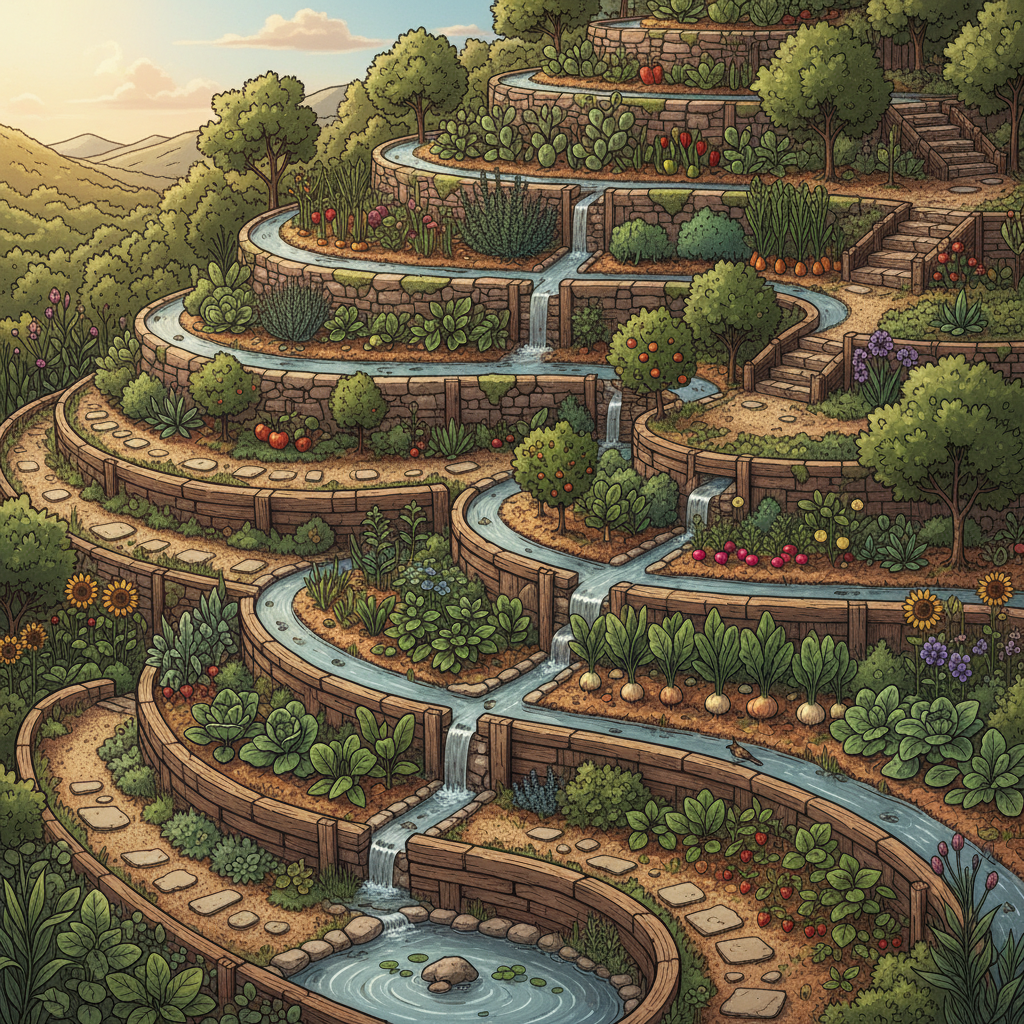
Slope Stabilization: Turn Hillsides Into Gardens
Transforming a challenging hillside into a productive garden might seem daunting, but slope stabilization techniques can turn your steep terrain into a thriving ecosystem. With proper planning and strategic design, you’ll prevent erosion while creating diverse growing spaces that work with gravity rather than against it.
Many gardeners view slopes as obstacles, but these natural features offer unique opportunities. Hillsides create natural microclimates, provide excellent drainage for certain crops, and can become stunning terraced gardens that produce food year-round.
Understanding Your Slope: The Foundation of Slope Stabilization
Before diving into construction, you need to assess your hillside’s characteristics. Walk your slope during different weather conditions to observe water flow patterns. Notice where water naturally collects and where it runs fastest.
Measure the gradient using a simple A-frame level or smartphone app. Slopes steeper than 30% require more intensive stabilization methods, while gentler grades offer more planting options. Document soil type throughout the hillside, as this varies significantly from top to bottom.
Understanding your soil composition is crucial for effective slope management. For detailed guidance on assessing your soil without expensive testing, check out our comprehensive guide on reading and fixing your dirt.
Terracing: Creating Level Ground for Growth
Terracing transforms steep slopes into manageable growing platforms. Start with the most stable areas and work systematically across your hillside. Simple stone or timber retaining walls can create level planting beds that prevent soil erosion.
Build terraces following the natural contours of your land. This approach minimizes excavation while maximizing water retention. Each terrace should be slightly wider than it is tall for optimal stability.
Consider your long-term vision when planning terrace heights. Lower terraces work well for annual vegetables, while taller ones accommodate fruit trees and permanent plantings. Leave pathways between levels for easy maintenance access.
Swales and Berms: Managing Water Flow Naturally
Swales are shallow ditches that capture and infiltrate rainwater, while berms are the mounded soil beside them. This combination slows water movement and creates distinct growing zones across your slope.
Position swales perpendicular to water flow, spacing them based on your slope’s steepness. Steeper areas need swales every 10-15 feet, while gentler slopes can accommodate wider spacing. Plant the swales with water-loving species and use berms for drought-tolerant crops.
Overflow spillways prevent swales from becoming erosion channels during heavy rains. These planned outlets direct excess water safely down the slope without causing damage to your stabilization efforts.
Strategic Plant Selection for Slope Stabilization
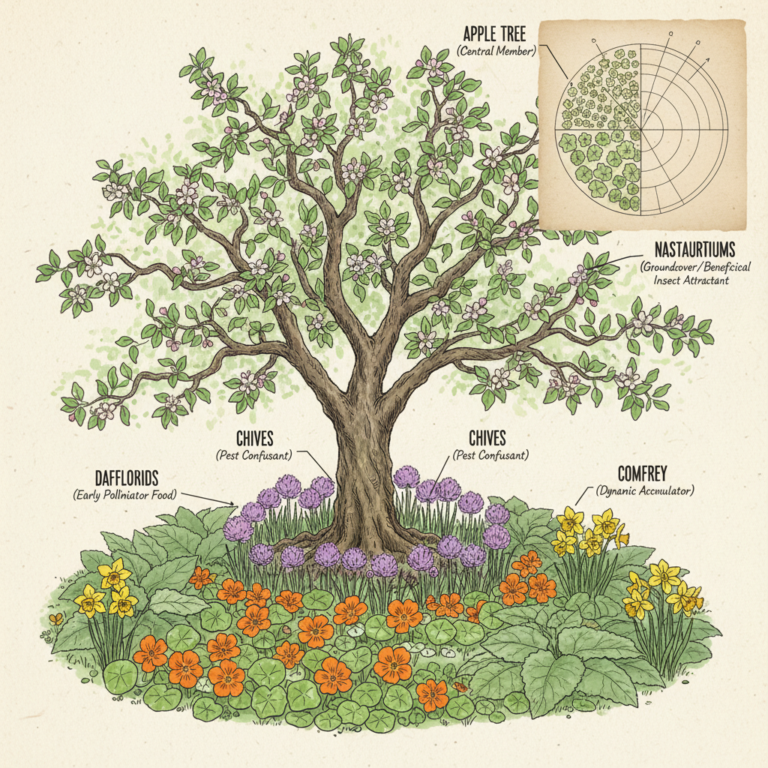
Choose plants based on their root systems and water requirements. Deep-rooted perennials like comfrey and Jerusalem artichokes provide excellent soil binding while producing food. Groundcovers such as creeping thyme and wild strawberry prevent surface erosion.
Create a diverse plant community using the permaculture principle of stacking functions. Nitrogen-fixing legumes improve soil while providing food, woody shrubs offer structure and habitat, and annual vegetables fill gaps between permanent plantings.
For beginners looking to build confidence with plant selection, our four-week skill-building plan provides practical steps for choosing appropriate crops for challenging growing conditions.
Building Microclimates on Your Slope
Slopes naturally create diverse microclimates from top to bottom. The upper areas tend to be warmer and drier, while lower sections collect moisture and stay cooler. Use these variations to expand your growing season and crop diversity.
Plant heat-loving crops like tomatoes and peppers on south-facing upper slopes. Cool-season vegetables thrive in the moister conditions near the bottom. Install windbreaks on exposed areas to moderate temperature extremes.
Stone terraces and rock mulch create thermal mass that moderates temperature swings. These features absorb heat during the day and release it slowly at night, extending growing seasons for tender plants.
To maximize your slope’s microclimate potential, explore our detailed guide on creating a 30-day microclimate-aware planting plan that works with your landscape’s natural variations.
Establishing Ground Cover and Pioneer Plants
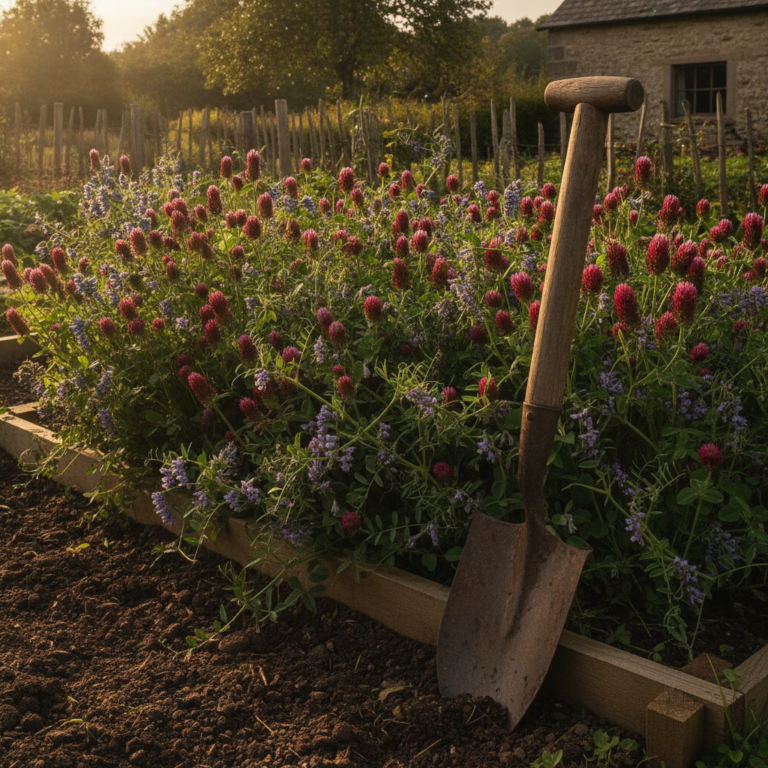
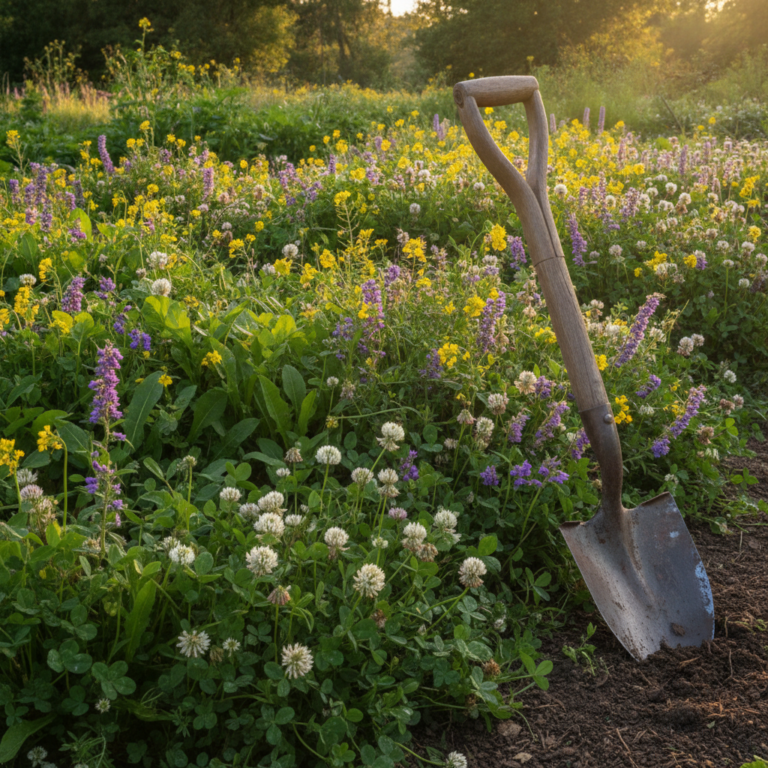
Start your slope transformation with fast-establishing ground covers and pioneer species. These plants quickly stabilize soil while you develop more complex systems. Crimson clover, winter rye, and buckwheat provide rapid cover and soil improvement.
Annual flowers like cosmos and zinnias add beauty while their roots help bind soil. These pioneer plants also attract beneficial insects that support your developing ecosystem.
Quality seeds make a significant difference in establishment success. Consider organic cover crop seeds specifically chosen for soil improvement and erosion control on challenging terrain.
Long-term Maintenance and System Evolution
Successful slope stabilization requires ongoing observation and adjustment. Monitor your terraces and swales after heavy rains, making repairs promptly to prevent small problems from becoming major erosion events.
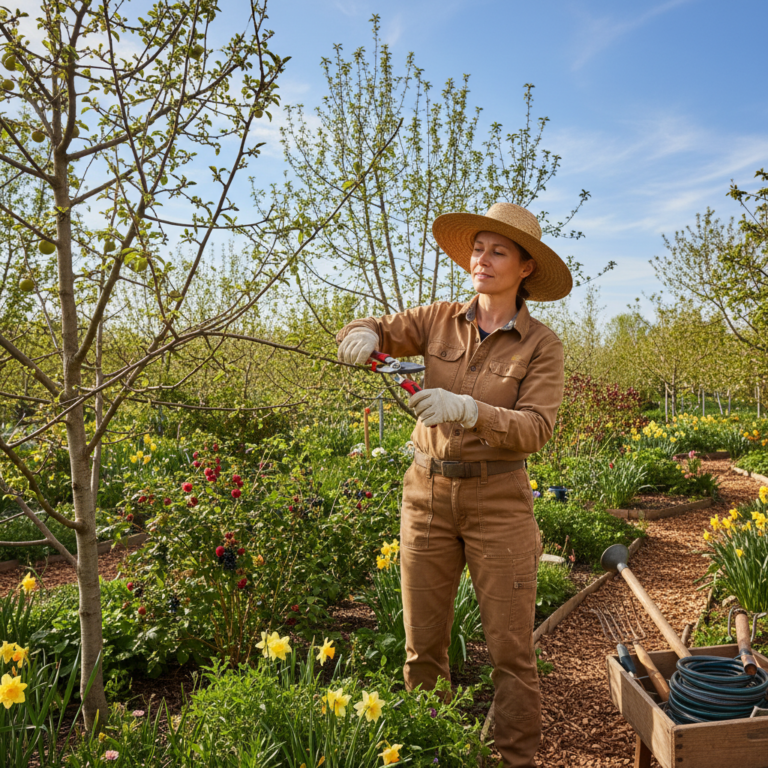
Prune and harvest regularly to maintain plant health and system balance. Woody plants may need periodic cutting to prevent them from dominating gentler species. Use pruned materials as mulch to continue building soil organic matter.
Document what works and what doesn’t in each microclimate zone. This information becomes invaluable for expanding your system and sharing knowledge with other slope gardeners in your area.
Seasonal Considerations for Slope Gardens
Plan your planting schedule around seasonal weather patterns. Establish new plantings during mild, moist periods when root systems can develop before facing summer stress or winter dormancy.
Winter cover crops prevent erosion during the vulnerable dormant season. Spring brings opportunities for seeding annual vegetables in stabilized areas. Summer requires careful water management and mulching to support established plants.
Fall is ideal for planting perennial trees and shrubs that will anchor your slope for years to come. Their root systems develop over winter, preparing them for the following growing season.
Troubleshooting Common Slope Challenges
Even well-designed slopes face occasional problems. Washouts typically occur where water concentrates beyond system capacity. Install additional spillways or redirect flow to prevent recurring damage.
Plant establishment failures often result from inadequate soil preparation or poor timing. Improve soil with compost and organic matter before planting, and choose species appropriate for your specific conditions.
Maintenance access becomes challenging on steep terrain. Plan pathways during initial construction, and consider installing handholds or steps in frequently accessed areas.
Your slope stabilization journey transforms challenging terrain into productive, beautiful growing space. With patience and proper technique, your hillside becomes an asset that produces food, prevents erosion, and supports biodiversity for years to come.