Green Manure Crops: The Plow-Under Secret
Long before synthetic nitrogen came in a plastic bag, farmers kept their fields alive with a quiet, powerful trick: they grew green manure crops — and then buried them. No bags, no labels, no mystery chemicals. Just living plants, carefully chosen, cut at the right moment, and turned back into the earth. The result was soil so rich it practically fed itself. Today, most home gardeners have never heard of this practice. That’s exactly why it’s worth rediscovering.
What Are Green Manure Crops, Exactly?
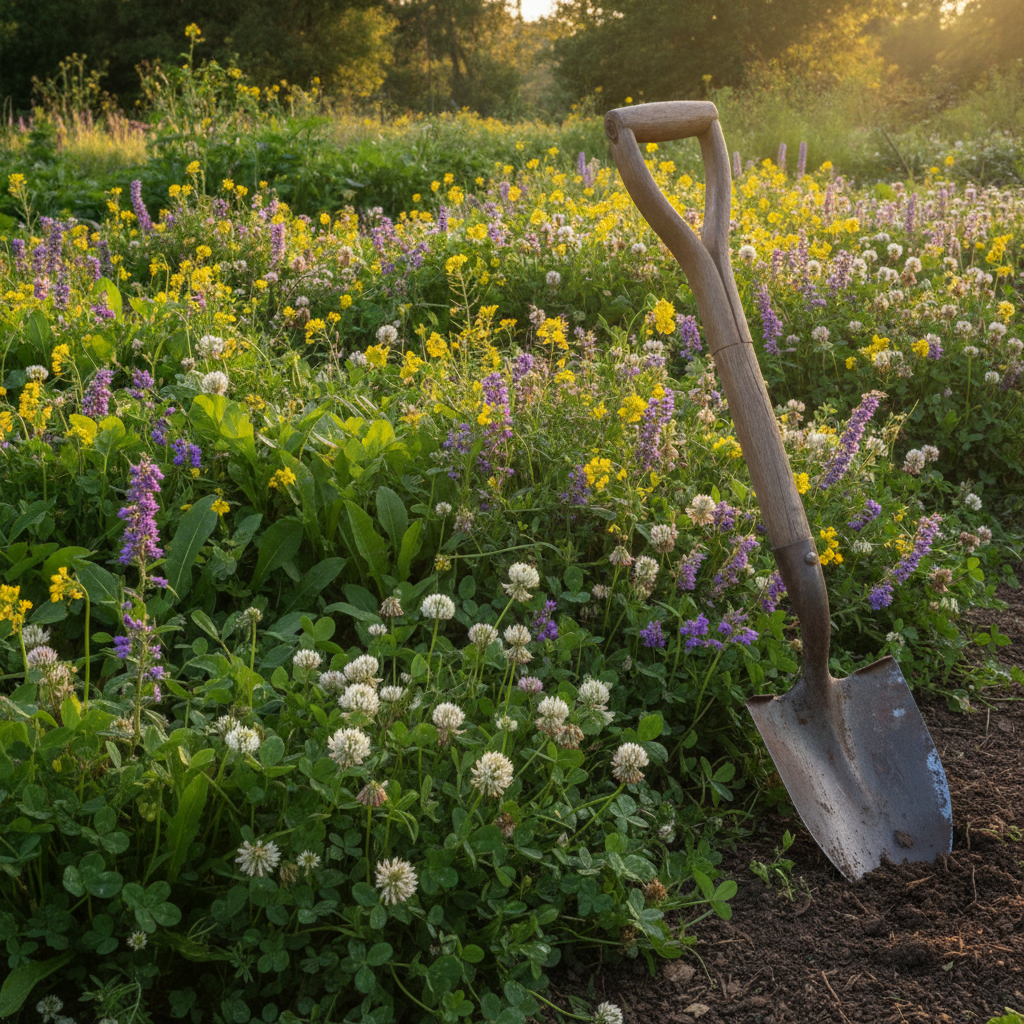
A green manure crop is any plant grown specifically to be chopped and dug into the soil before it sets seed. It’s not grown for harvest. It’s grown as food — for the earth itself.
The concept is elegantly simple. Living plants build organic matter, fix nutrients, and support soil biology in ways that no bagged amendment can replicate. When you bury that biomass while it’s still green and nitrogen-rich, you give your soil a slow-release feast.
This is fundamentally different from composting. With compost, you process organic matter outside the soil and then add it back. With green manures, the processing happens in situ — right where it will be needed. Soil microbes, earthworms, and fungi break it down on the spot, and the nutrients stay right there in your growing zone.
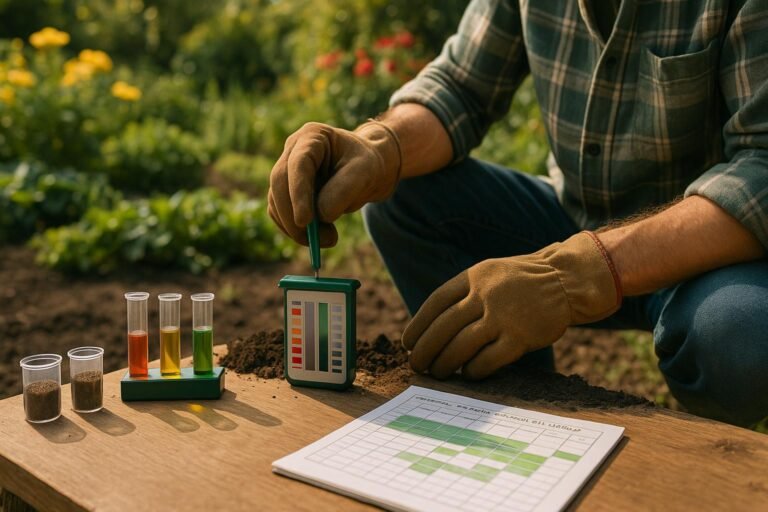
If you’ve been reading up on how to read your soil and fix problems fast, you’ll recognize immediately why this matters. Soil fertility isn’t about dumping nutrients on top. It’s about building the living system underneath.
The Best Green Manure Crops for Home Gardens
Not all plants make equally good green manures. The champions fall into two broad groups: nitrogen-fixers and biomass builders. Most gardeners benefit from using both.
Nitrogen-Fixing Legumes
Legumes form partnerships with soil bacteria called rhizobia. Together, they pull nitrogen gas directly from the air and lock it into the soil. When you bury legume green manures, that stored nitrogen releases and becomes available to your next crop.
The best legume green manures include:
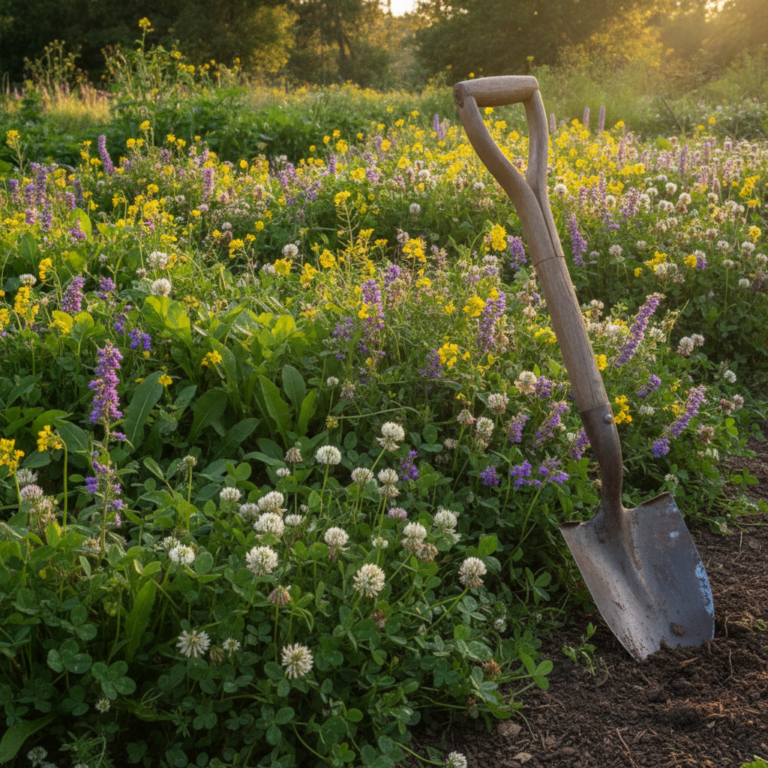
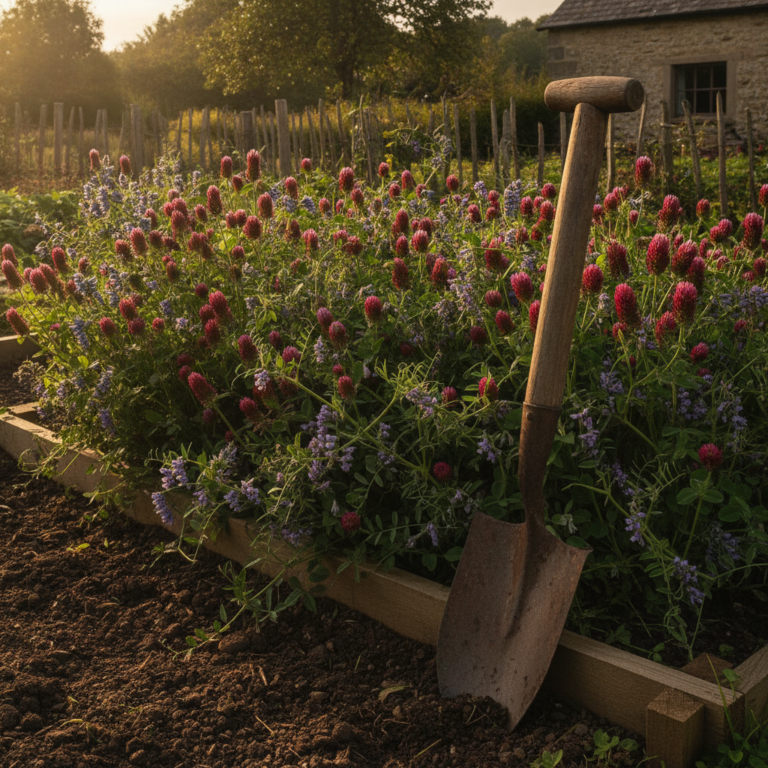
- Crimson Clover — Fast-growing, beautiful, and excellent for spring or fall. Fixes up to 150 lbs of nitrogen per acre.
- Hairy Vetch — Hardy and winter-tough. One of the most nitrogen-rich green manures available to home gardeners.
- Field Peas — Quick to establish, cold-tolerant, and easy to turn under. Great for early spring planting.
- Fenugreek — Often overlooked but excellent in warm seasons. Adds nitrogen and improves soil structure.
- Sunn Hemp — A warm-season powerhouse. It grows so fast and tall that it shades out weeds entirely.
Biomass Builders and Soil Breakers
Not every green manure is a legume. Some are chosen for their ability to build organic matter, break up compacted soil, or suppress stubborn weeds.
- Buckwheat — Grows quickly in summer. Brilliant at loosening hard, compacted ground. Also releases phosphorus from the soil that other plants can’t access.
- Phacelia — Beloved by pollinators before you cut it. Decomposes rapidly and improves soil texture remarkably fast.
- Mustard — Acts as a natural biofumigant. It suppresses soil-borne diseases and nematodes when turned under.
- Winter Rye — A cold-season workhorse. Builds massive root systems that improve drainage and structure.
- Oats — Frost-kills in winter, leaving a natural mulch that breaks down by spring. Perfect for low-effort spring prep.
Timing the Cut: Why It Matters More Than You Think
The timing of when you cut and bury your green manure crops is the difference between a slow-release feast and a nitrogen robbery. Get it wrong, and you can actually tie up nitrogen rather than release it.
The golden rule is simple: cut before flowering, ideally at bud stage.
Here’s why. Young, green plant tissue is high in nitrogen and low in carbon. It breaks down fast. Once a plant flowers and begins to set seed, it shifts energy toward reproduction. The tissue becomes woodier, the carbon-to-nitrogen ratio rises, and decomposition slows dramatically. That woody material temporarily pulls nitrogen from the soil to break down — the opposite of what you want.
For most legumes, aim to cut when you see the first flower buds forming. For grasses and grains like rye or oats, cut before they begin to head out. For fast growers like buckwheat or phacelia, you often have a window of just a week or two between “perfect” and “too late.”
After cutting, chop the plants as finely as you can with a spade or hoe. Then dig or fork them into the top 6 to 8 inches of soil. Water well. Then wait — and this part is critical — at least two to four weeks before you plant your next crop. That waiting period lets the microbial community do its work and stabilizes the nitrogen for your plants to use.
Green Manure Rotation: The Practical Planting Calendar
The real magic of green manure crops comes from working them into a rotation. You’re not just feeding soil once — you’re building a rhythm that improves fertility season after season.
Here’s a simple calendar framework you can adapt to your climate and growing zone. (For more detail on timing crops to your specific conditions, see our guide on microclimate-aware planting planning.)
Early Spring (March–April)
Sow field peas or crimson clover as soon as soil is workable. These germinate in cool temperatures. Cut and turn them under 6 to 8 weeks later, clearing the bed for summer vegetables.
Early Summer Gap (After Spring Harvest)
After pulling out peas, lettuce, or other spring crops, immediately sow buckwheat or phacelia. These fill the gap, suppress weeds, and add organic matter. Cut in 4 to 6 weeks, then plant fall crops.
Late Summer Into Fall (August–September)
After your summer harvest, sow hairy vetch or winter rye. These establish roots before winter, protect the soil from erosion, and fix nitrogen through the cool season. In spring, turn them under 3 to 4 weeks before planting.
Winter (Cold Climates)
If you sowed oats in fall, they’ll winter-kill on their own, leaving a mat of organic matter to break down and mulch your beds. No digging required until spring. This is a lazy gardener’s best friend.
This kind of seasonal rotation pairs beautifully with the layered approach described in our progressive gardening system — where each season builds skills and soil at the same time.
Why Green Manures Outperform Bagged Soil Conditioners
A bag of granular fertilizer gives your plants a narrow range of nutrients in a form that often leaches away with rain. A bag of compost adds organic matter, but it’s processed, carbon-rich, and slow to release nitrogen.
Green manure crops do something no bag can replicate. They build the biology of your soil. Legume roots feed rhizobia bacteria. Dense foliage shelters ground beetles and beneficial insects. Root exudates feed mycorrhizal fungi. When you turn it all under, you’re not just adding organic matter — you’re feeding a whole underground ecosystem that works for you season after season.
Buckwheat, for example, releases phosphoric acid through its roots, dissolving bound phosphorus that other plants can’t reach. When you bury it, that phosphorus stays accessible. Mustard releases glucosinolates that suppress fungal pathogens. These are actions no bag of fertilizer can perform.
This is exactly the kind of soil intelligence that traditional farmers understood intuitively. The tools haven’t changed much — a good spade, a practiced eye, a sense of timing. If you want to build on this foundation, our guide to durable garden tools and smart maintenance covers everything you need for this kind of hands-in-the-soil work.
A Few Practical Tips Before You Start
Starting with green manure crops doesn’t require a large plot or years of experience. Here’s how to begin with confidence:
- Start with one bed. Try buckwheat in a gap this summer. It’s fast, forgiving, and immediately satisfying.
- Don’t let it go to seed. Set a reminder on your phone. Two weeks goes quickly.
- Mix legume and non-legume types. A blend of crimson clover and oats gives you nitrogen fixation plus biomass in one pass.
- Add a thin layer of finished compost after turning under. This jump-starts microbial activity and speeds breakdown.
- Keep notes. Track which crops you used, when you turned them under, and how your following crop performed. Over two or three seasons, you’ll have your own data.
The practice of green manuring rewards patience and observation — the same qualities that make any gardener exceptional over time.
The Bottom Line
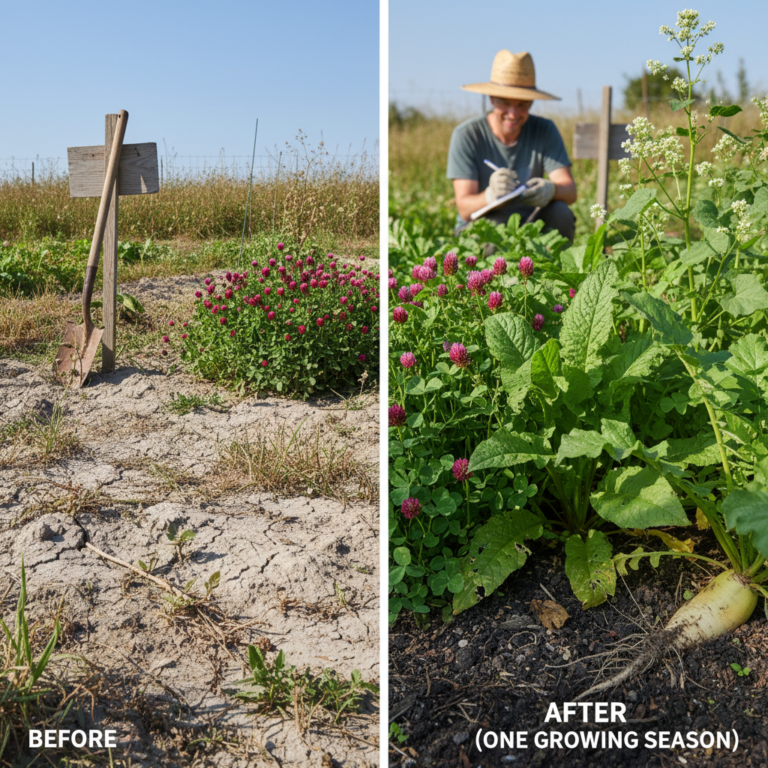
Green manure crops represent one of the most powerful, low-cost soil-building strategies ever developed. Farmers used this practice for thousands of years before synthetic fertilizers made it seem unnecessary. Now that we understand how much those chemicals cost the soil — and the environment — old practices like plow-under green manuring are finding their way back into gardens everywhere.
You don’t need to overhaul your entire garden to start. Pick one bed, sow one crop, and watch what happens to your soil. The results, come planting time, will be all the convincing you need.