Green Manure Crops: The Plow-Under Secret
Green Manure Crops: The Plow-Under Secret Your Great-Grandparents Knew
Before a single bag of synthetic nitrogen ever touched a farm, gardeners and farmers were already growing extraordinarily fertile soil. Their secret? Green manure crops — living plants grown specifically to be chopped down and buried, feeding the earth from within. This technique is one of the oldest and most powerful soil-building methods ever discovered, and most modern gardeners have never heard of it.
If you’re skeptical of chemical-heavy gardening and looking for something your grandparents would recognize, you’re in exactly the right place. This post breaks down which plants work best, how to time the burial for maximum nitrogen release, and gives you a practical seasonal calendar you can start using right now.
What Are Green Manure Crops, Exactly?
A green manure crop is any plant you grow not to harvest, but to turn back into the soil. The idea is beautifully simple. You plant fast-growing, nutrient-rich plants. You let them grow until just before they set seed. Then you chop them, dig them under, and wait.
As the buried plant material breaks down, it releases nitrogen, organic matter, and a cascade of trace minerals directly into your root zone. No middleman. No bag to open. No guessing about synthetic ratios.
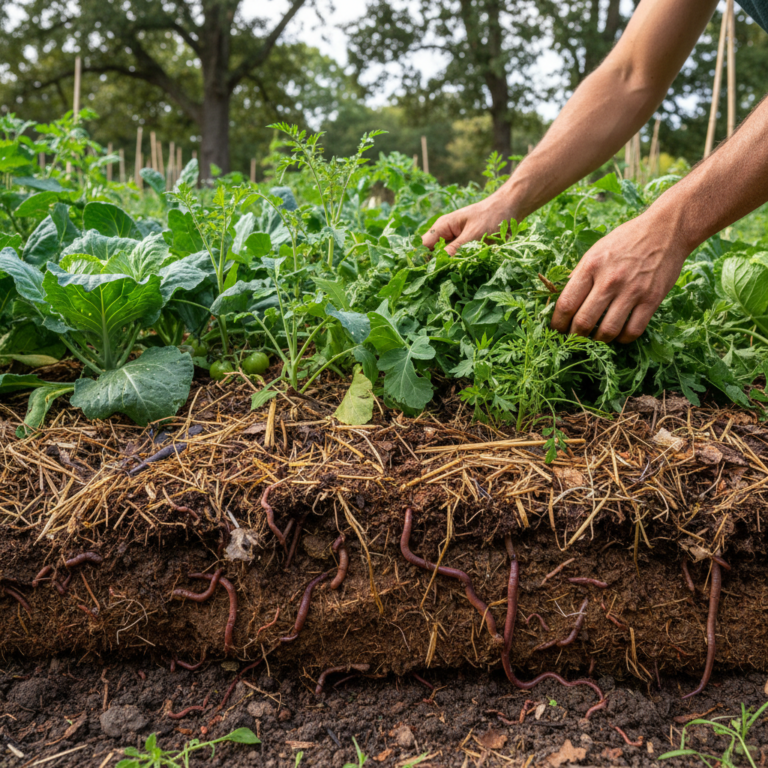
This is fundamentally different from simply leaving crop debris on the surface. Burial activates anaerobic decomposition, which supercharges the speed and depth of nutrient release. Your soil microbes go into a feeding frenzy — and the plants you grow next reap every benefit.
Before you dive in, it helps to understand what you’re working with beneath your feet. If you haven’t already, check out Soil Sense Without the Lab: Read Your Dirt, Fix It Fast — it’ll help you identify what your soil actually needs before you choose your green manure plants.
The Best Green Manure Crops for Home Gardeners
Not all plants work equally well as green manures. The best choices fall into two categories: nitrogen fixers (legumes) and organic matter builders (non-legumes). A good rotation uses both.
Nitrogen-Fixing Legumes
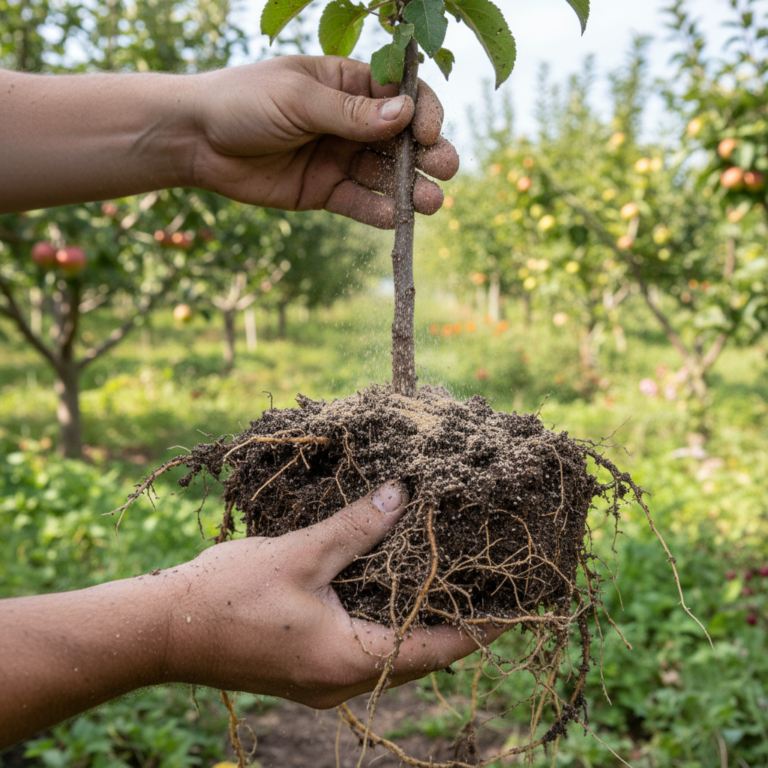
These plants form a partnership with soil bacteria called rhizobia. Together, they pull nitrogen from the air and store it in nodules on the plant’s roots. When you turn the plant under, all that stored nitrogen is released into the soil.
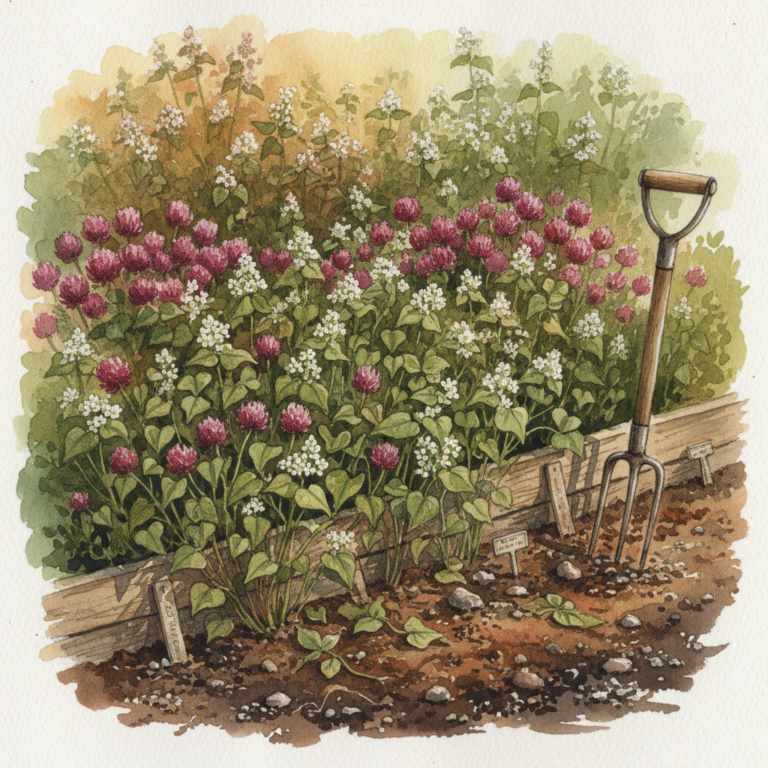
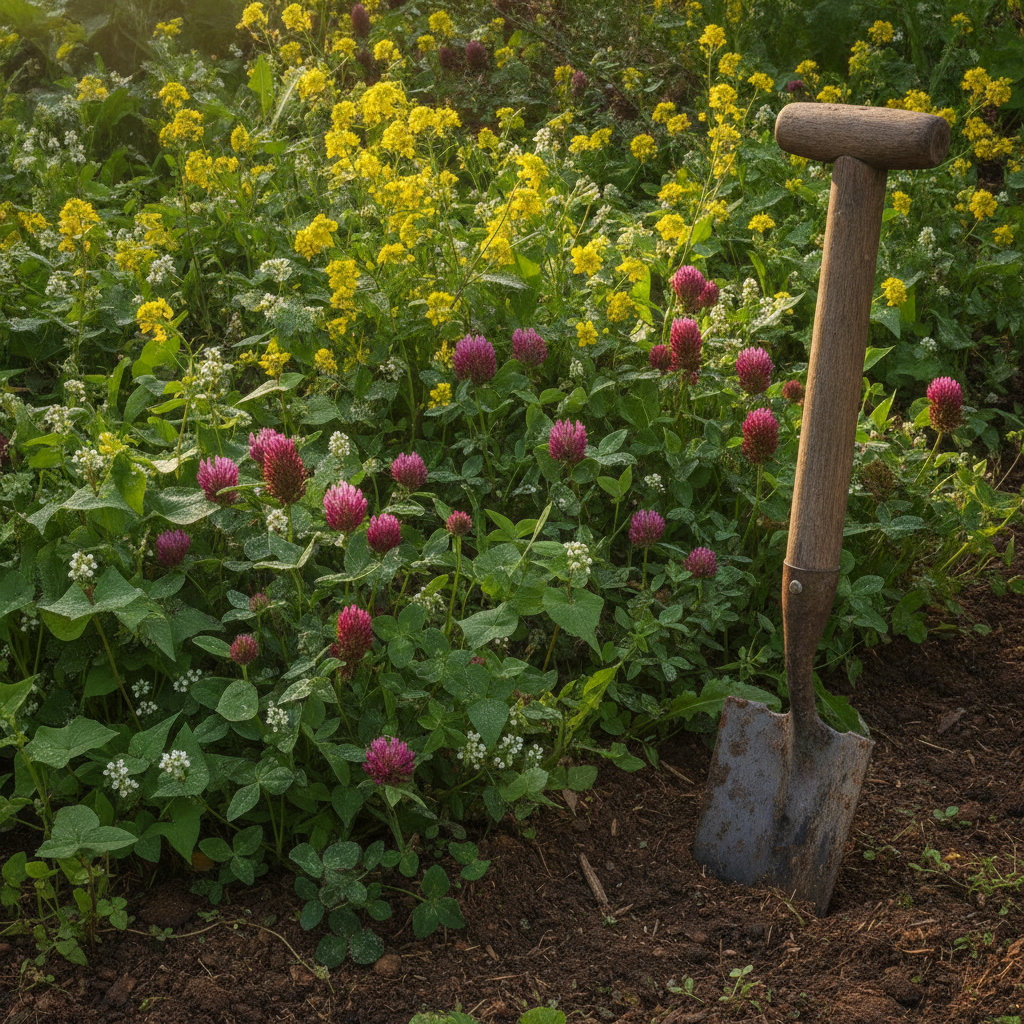
- Crimson Clover — One of the most reliable nitrogen fixers. Easy to establish, beautiful in bloom, and remarkably winter-hardy in most zones. It adds up to 150 lbs of nitrogen per acre when timed correctly.
- Field Peas (Winter Peas) — Fast-growing and excellent for early spring or fall planting. They bulk up quickly and decompose rapidly after turning under.
- Hairy Vetch — A powerhouse. Hairy vetch is cold-hardy, prolific, and one of the highest nitrogen-producing cover crops available to home gardeners. Cut it just as it begins to flower for maximum release.
- Fava Beans — Particularly good in cool climates. Favas fix nitrogen deep in the soil profile and add significant bulk. Bonus: you can harvest the beans first if you like, then turn under the stalks and roots.
Organic Matter Builders
These non-legume crops don’t fix nitrogen, but they build tilth, suppress weeds, and add enormous volumes of organic matter. They work best paired with legumes in a rotation.
- Buckwheat — The speed champion. Buckwheat establishes in just a few days, smothers weeds completely, and is ready to turn under in 4–6 weeks. It also scavenges phosphorus that other plants can’t access.
- Phacelia — Underused and extraordinary. Phacelia produces masses of ferny green growth, decomposes quickly, and attracts pollinators before you cut it. It’s pH neutral after decomposition — ideal for vegetable beds.
- Oats — A classic fall green manure crop. Oats winterkill in most climates, leaving a ready-to-turn mat of organic matter in early spring. No digging required until you’re ready to plant.
- Mustard — A hidden gem. Mustard produces glucosinolates as it decomposes, which act as a natural soil fumigant — suppressing root-knot nematodes and certain fungal pathogens. Ideal before brassica crops.
The Critical Timing Secret: Cut Before They Set Seed
Timing is everything with green manure crops. Cut too early and you sacrifice nitrogen content. Cut too late and you risk the plants going to seed, creating weeds for the next three years.
The golden window is at early flower stage — just as the first blooms open. At this point, the plant has reached peak nitrogen content and peak biomass. It hasn’t yet diverted energy into seed production. The tissue is still soft and high in moisture, which means it will decompose fast after burial.
Here’s a simple rule to follow: chop and bury at least three to four weeks before you plan to plant your next crop. This gives the decomposition process time to complete. Planting too soon after turning under green manures can cause temporary nitrogen lock-up as microbes compete with your seedlings for available nitrogen.
Dig the material in to a depth of six to eight inches. If your plants are very tall or thick-stemmed, chop them with a mower or shears first, then turn with a spade or fork. Water the bed well after turning to kick-start microbial activity.
Why Green Manures Outperform Most Bagged Soil Conditioners
Here’s something the garden center won’t tell you. A bag of granular fertilizer delivers a narrow band of nutrients in a form that can leach out of your soil within weeks. Green manure crops, by contrast, deliver a living, complex package of nutrients, organic acids, fungal food, and microbial fuel — all in a slow-release form your soil can use over an entire growing season.
The organic matter from turned-under green manures also physically improves soil structure. Clay soils become more workable. Sandy soils gain water-holding capacity. In both cases, root penetration improves — and that means bigger, healthier plants without any extra effort from you.
Additionally, the root systems of green manure crops break up compacted layers as they grow. This is especially valuable in beds that have been walked on or compressed over time. You’re essentially letting the plants do your tilling for free.
If you’re working within a small or densely planted space, you’ll find that understanding your microclimates helps you rotate green manures efficiently. Mapping Your Garden Microclimates: Turn Sun, Wind, and Shade into Higher Yields is a great companion read for this.
A Practical Green Manure Planting Calendar
Here’s a straightforward seasonal guide you can adapt to your climate and bed rotation. Use this as a starting framework, then refine it based on your specific conditions.
Early Spring (March–April)
Sow field peas or crimson clover as soon as the soil is workable. These cold-tolerant crops establish quickly and build nitrogen before your warm-season crops go in. Turn them under by late April or early May, depending on your last frost date.
Late Spring to Early Summer (May–June)
Buckwheat is your go-to here. Sow it in any empty bed, let it grow for five to six weeks, and turn it under before it flowers fully. This is also a good time to use phacelia if you’re prepping beds for fall planting.
Midsummer Gap Planting (July–August)
If a bed finishes producing early (early lettuce, peas, spring brassicas), don’t leave it bare. Sow buckwheat or a quick-maturing mustard immediately. These summer green manures suppress weeds, protect bare soil from heat and erosion, and add organic matter in time for fall planting.
Late Summer to Fall (August–October)
This is the most powerful green manure window of the year. Sow hairy vetch, winter peas, or oats in late summer. These crops establish before frost, fix nitrogen through fall, and either winterkill or can be turned under in early spring. Your soil will be noticeably richer by the time you plant again.
Winter Prep (November onward)
In mild climates, crimson clover or field peas can overwinter and continue building nitrogen right into early spring. In colder zones, the winterkilled residue of oats forms a natural mulch that protects soil and turns under easily when temperatures rise.
For help fitting this calendar into a broader seasonal plan, take a look at Climate-Proof Your Crops: A 30-Day, Microclimate–Aware Planting Plan — it pairs beautifully with this rotation approach.
Common Mistakes to Avoid
Letting them go to seed. This is the most common error. Once your green manure sets seed, you’ve created a weed problem. Watch the flowering stage closely and act promptly.
Turning under too close to planting day. Fresh green material needs time to break down. Always allow three to four weeks minimum between burial and planting, especially with thick-stemmed crops like favas or vetch.
Skipping the water. Decomposition requires moisture. After turning under, water the bed deeply if rain isn’t expected. Dry conditions stall the process and delay your nutrient release.
Using only one type. Rotate between legumes and non-legumes over time. Relying solely on nitrogen fixers can create imbalances. Alternating with buckwheat or phacelia keeps the system well-rounded.
Start Small, Then Scale Up
You don’t need to overhaul your entire garden to try this. Start with one empty bed this season. Sow buckwheat or crimson clover, watch it grow, time the cut, turn it under, and observe what happens to your next crop in that bed. The results often speak loudly enough to convert even the most skeptical gardener.
If you’re newer to organic gardening methods and want a structured path for building these skills, Smart Starts: A 4-Week Skill-Build Plan for Complete Garden Beginners offers an excellent framework for layering new techniques like this one into your practice gradually.
The farmers who came before us didn’t have access to synthetic inputs. Yet they built some of the most productive, long-lasting soils in history — using exactly this method. Green manure crops aren’t a trend or a workaround. They’re a time-tested foundation of intelligent growing. And the good news is, your garden can benefit from this forgotten wisdom starting this very season.