Edge Zones: Double Growing Space With Transition Areas
Every gardener dreams of maximizing their growing space, but most overlook the goldmine hiding right under their noses: edge zones. These transition areas between different garden sections aren’t just leftover space-they’re productivity powerhouses that can double your harvest while creating stunning, biodiverse ecosystems.
Edge zones occur naturally wherever two different environments meet. In your garden, this might be where your sunny vegetable patch meets a shaded woodland area, or where your lawn transitions into a flower bed. These spaces create unique microclimates that support specialized plants and dramatically increase your garden’s overall diversity and yield.
Understanding Edge Zones in Your Garden
Think of edge zones as nature’s mixing bowls. They combine the best characteristics of neighboring areas while creating entirely new growing conditions. For example, the transition between a sunny meadow and a forest creates partial shade-perfect for plants that can’t handle full sun but need more light than deep woodland species.
In permaculture design, we call this the “edge effect.” Scientists have observed that the most diverse and productive ecosystems occur at these transition points. The same principle applies to your backyard garden.
These areas typically feature:
- Varied light conditions throughout the day
- Different moisture levels
- Unique wind patterns
- Diverse soil conditions
- Temperature fluctuations
Understanding these characteristics helps you select plants that thrive in these unique conditions while maximizing your growing potential.
Identifying Edge Zones in Your Growing Space
Start by walking your property with fresh eyes. Look for areas where different environments naturally meet. Common edge zones include:
Building transitions: The space where your house meets your garden creates microclimates with reflected heat, wind protection, and varying moisture levels.
Hardscape boundaries: Areas around patios, walkways, or fences often have unique growing conditions due to heat absorption and water runoff patterns.
Vegetation changes: Where your lawn meets trees, or where different plant communities naturally occur.
For beginners looking to map these areas systematically, check out our comprehensive guide to mapping garden microclimates.
Designing Productive Edge Zones
Once you’ve identified your edge zones, it’s time to design them for maximum productivity. The key is working with nature rather than against it.
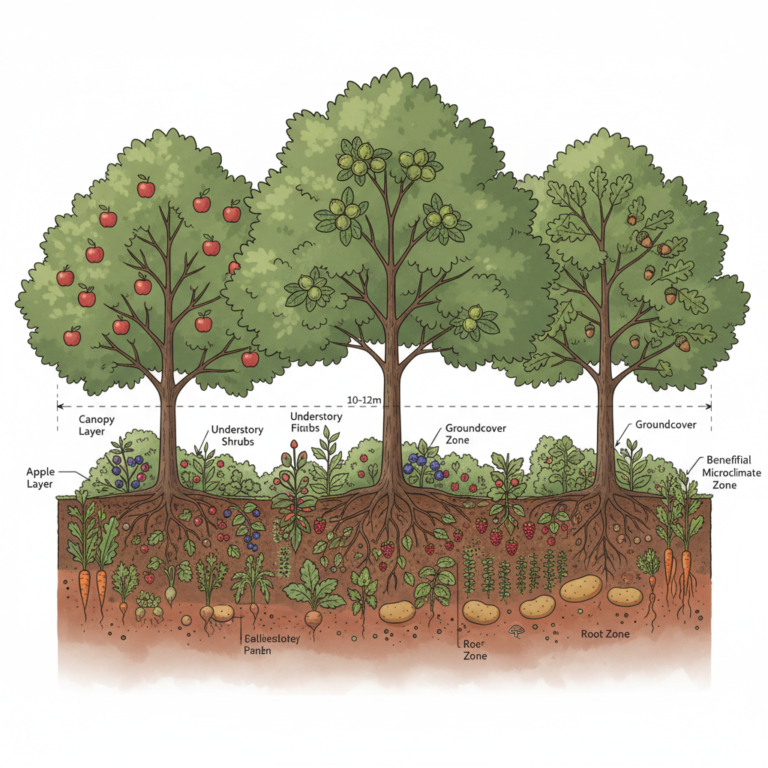
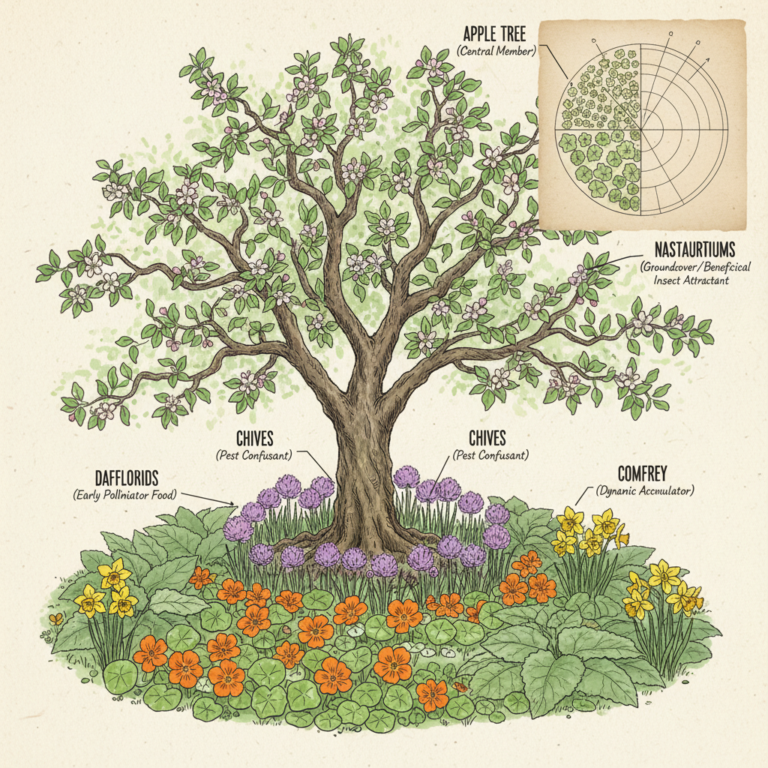
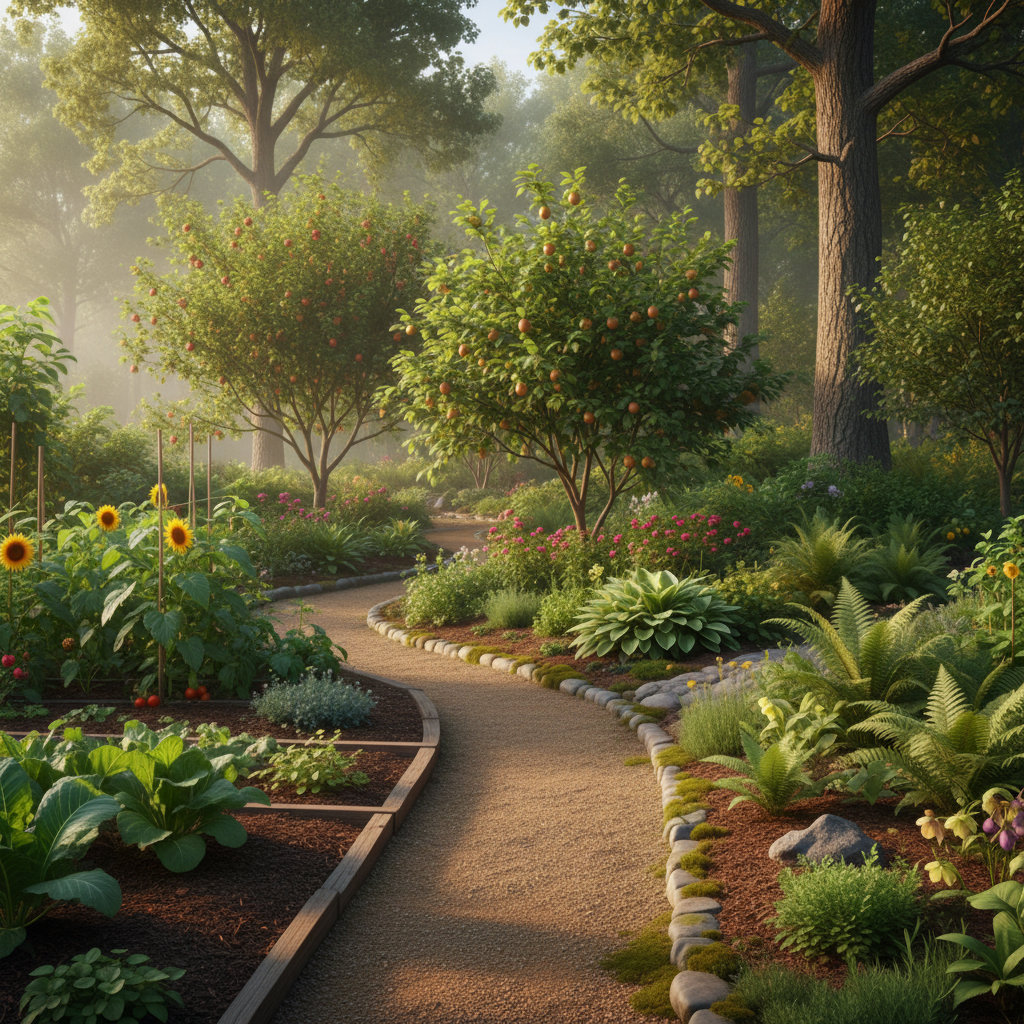
Layer your plantings: Use the seven-layer food forest approach, even in small edge zones. Plant tall trees for canopy, understory shrubs, herbaceous plants, ground covers, root crops, vines, and nitrogen-fixing plants.
Create gradual transitions: Instead of abrupt changes, design gentle transitions that allow plants to adapt gradually to changing conditions.
Consider seasonal changes: Edge zones often experience dramatic seasonal shifts. Plan for year-round interest and productivity by selecting plants that perform well in different seasons.
For detailed seasonal planning strategies, our 30-day microclimate planting plan provides month-by-month guidance for maximizing these transition areas.
Plant Selection for Maximum Edge Zone Productivity
Choosing the right plants for your edge zones determines success or failure. Focus on species that thrive in transitional conditions.
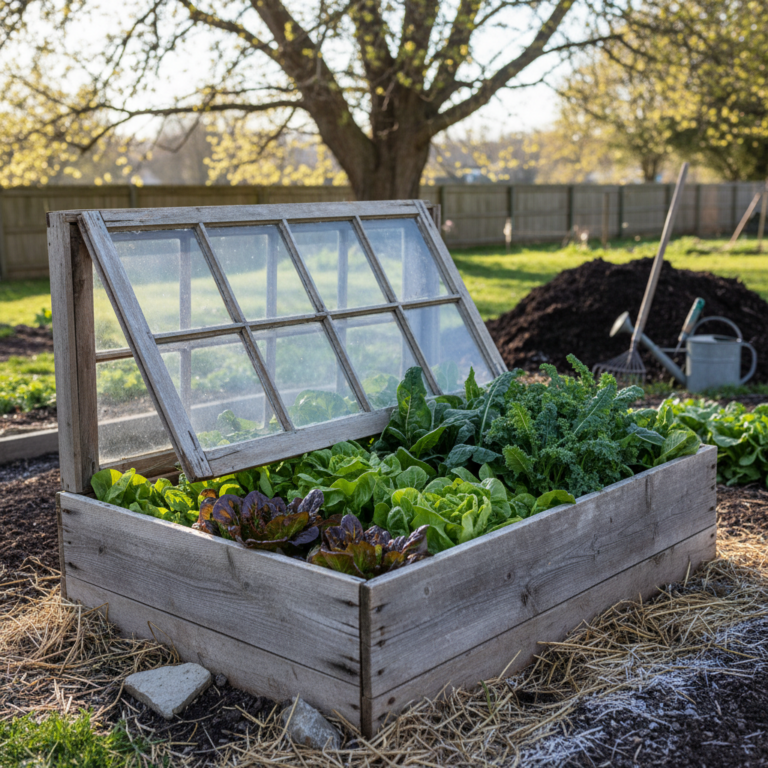
Shade-tolerant edibles: Lettuce, spinach, kale, and herbs like parsley and chives perform well in partial shade edge zones.
Flexible fruit plants: Blueberries, elderberries, and currants adapt well to varying light conditions throughout the day.
Climbing companions: Grapes, hardy kiwis, and climbing beans maximize vertical space in edge zones.
Ground-covering crops: Strawberries, thyme, and wild ginger create productive ground layers while preventing erosion.
Remember to consider your soil conditions too. If you haven’t tested your soil recently, our guide on reading and improving your soil without lab tests will help you understand what your edge zone soil needs.
Managing Water and Nutrients in Edge Zones
Edge zones often have complex water and nutrient patterns. Water might pool in low areas while running off elevated sections. Understanding these patterns helps you design efficient irrigation and fertilization strategies.
Capture and direct water flow: Use swales, berms, and strategic plantings to direct water where it’s needed most.
Build soil gradually: Edge zones often have varying soil quality. Improve soil systematically using compost, mulch, and cover crops.
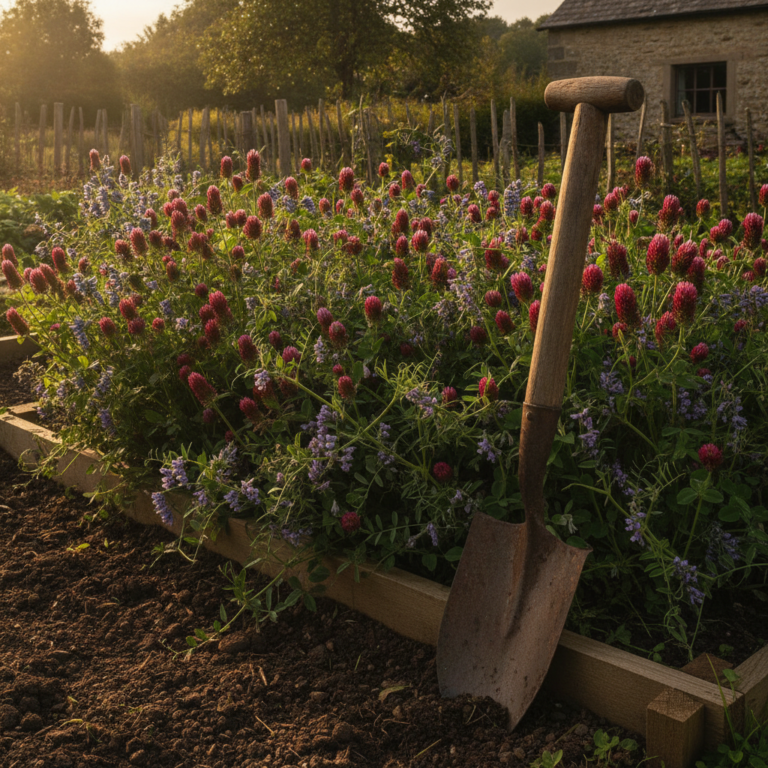
Create nutrient cycling: Plant nitrogen-fixing species like comfrey, clover, and leguminous shrubs to naturally fertilize surrounding plants.
Common Edge Zone Mistakes and Solutions
Even experienced gardeners make mistakes when designing edge zones. Here are the most common pitfalls and how to avoid them:
Mistake #1: Treating edge zones like regular garden beds. Solution: Acknowledge their unique conditions and plant accordingly.
Mistake #2: Overcrowding plants in enthusiasm to maximize space. Solution: Give plants room to reach their mature size while layering appropriately.
Mistake #3: Ignoring seasonal changes in light and water. Solution: Observe your edge zones throughout the year before finalizing plant selections.
Mistake #4: Forgetting about maintenance access. Solution: Design paths and maintenance zones into your edge zone plan.
Maintenance Strategies for Long-term Success
Edge zones require different maintenance approaches than traditional garden beds. They’re often more dynamic and change seasonally.
Embrace controlled wildness: Allow some natural succession while guiding it toward productivity.
Practice selective weeding: Not every volunteer plant is a weed. Some might be beneficial additions to your edge zone ecosystem.
Prune strategically: Manage light penetration through selective pruning rather than wholesale cutting.
Mulch wisely: Use appropriate mulches that complement your edge zone’s moisture and nutrient needs.
Measuring Your Edge Zone Success
Track your edge zone productivity to continually improve your design. Keep records of:
- Plant performance in different seasons
- Yield comparisons with traditional garden areas
- Wildlife and beneficial insect activity
- Maintenance time required
- Overall ecosystem health indicators
Regular observation and documentation help you refine your edge zone management over time.
Edge zones represent one of the most overlooked opportunities in home gardening. By recognizing and designing these transition areas thoughtfully, you can significantly increase your garden’s productivity while creating beautiful, diverse ecosystems. Start small, observe carefully, and gradually expand your edge zone management as you gain experience.
Remember, every garden is unique. What works in one edge zone might need modification in another. The key is patient observation, thoughtful planning, and willingness to adapt your approach based on what you learn from your specific site conditions.