Toolbox Evolution: Building a Gardener’s Kit for All Levels and Lifetime Maintenance
Introduction: The case for a year-round, scalable gardener’s toolkit
A gardener’s toolkit that scales with experience isn’t just about collecting gear. It’s about building momentum—staying ready for the next task, no matter the season. When you have a solid core and a clear upgrade path, you avoid gaps in your work, cut downtime, and turn small projects into ongoing wins. The goal is clarity: a toolkit that supports you today and grows with your skills tomorrow.
Think of the toolkit as a living system rather than a fixed pile of tools. Each season brings new tasks, and a flexible toolkit helps you tackle them efficiently. A season-aware approach helps beginners gain confidence quickly and allows seasoned gardeners to refine technique without blowing budgets on impulse buys.
Core tools that fit all levels
Some items belong in every gardener’s bag, regardless of season. These core tools form the backbone of a dependable toolkit and should be kept sharp, clean, and organized. Start with a reliable, well-curated set to avoid mid-project frenzies.
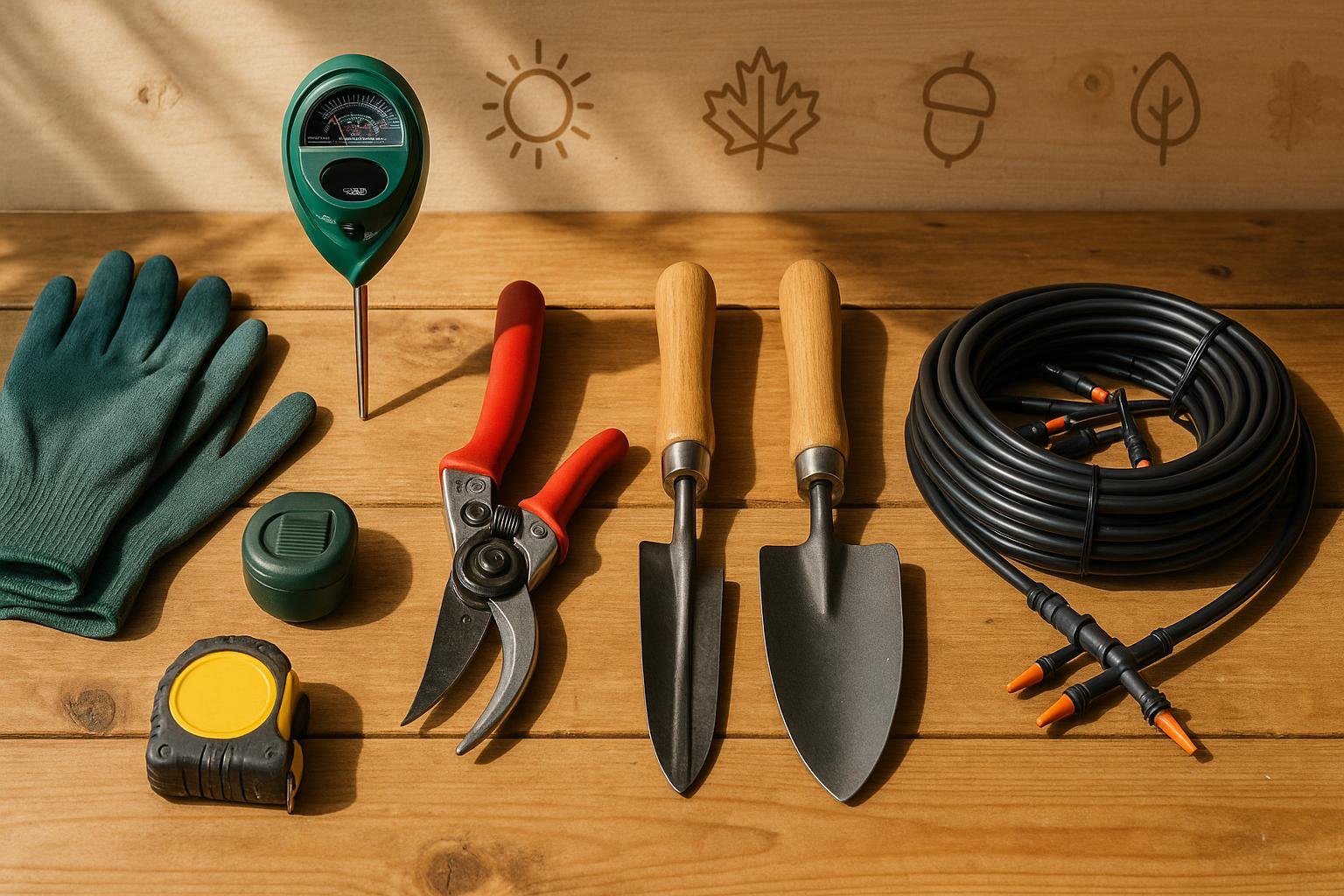
- Gloves, knee pads, and protective eyewear
- Quality pruners (bypass or anvil) with sharp blades
- Hand trowel, transplanter, and cultivator
- Small cultivator or weeder for close work
- Garden knife or shears for quick cuts
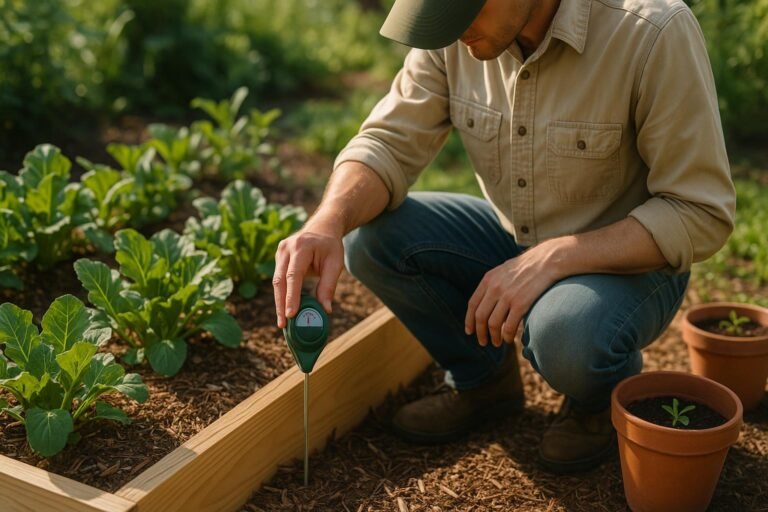
- Soil probe or moisture meter to gauge moisture and compaction
- Measuring tape, level, and a durable pouch or bag for transport
- Watering can or hose with adjustable nozzle
- Waste bucket or compost bin access for quick cleanup
Maintenance matters as much as the tools themselves. Keep blades clean, sharpen pruners regularly, and store tools dry and properly hung or nested in a dedicated caddy. A simple maintenance routine saves money and extends life, season after season.
Seasonal upgrades: upgrading as skills grow
Upgrades aren’t optional extras—they’re deliberate steps that align with your growing abilities and the garden’s changing demands. By planning upgrades season by season, you avoid overwhelm and stretch your budget further, getting more value from every purchase.
Below is a practical lane for progressive improvement. Use it as a framework, then tailor to your climate, garden size, and goals.
Spring upgrades: readiness for a fresh start
Spring is the gate to a productive year. Your upgrades this season should boost soil health, seed success, and foundational maintenance.
- Soil test kit and soil amendments to tune pH and nutrient balance
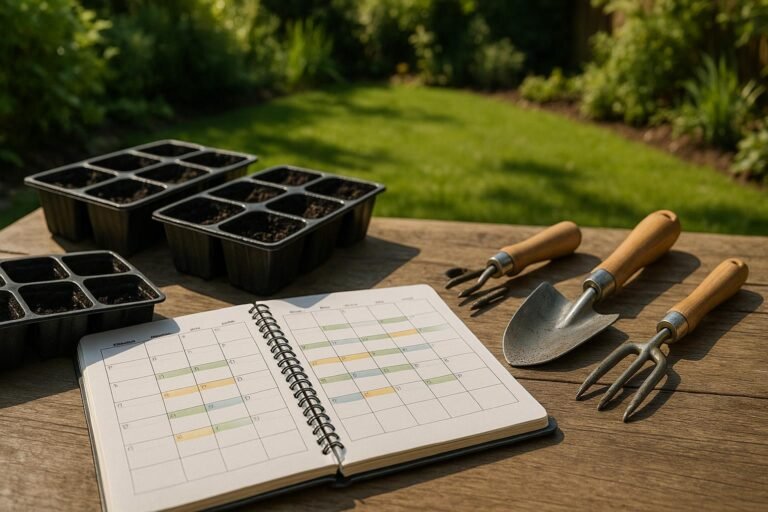
- Seed starting supplies: trays, humidity domes, seedling heat mats, labels
- Sharpening tool or file for pruners and knives accumulated over winter
- Ergonomic hand tool upgrades for longer sessions (e.g., longer-handled trowel)
- Watering improvements: a soaker hose or drip irrigation starter kit
Spring upgrades set the garden up for strong germination, healthy transplants, and less wasteful watering. They ease the transition from indoor prep to outdoor work.
Summer upgrades: efficiency and control
In the heat of the season, efficiency matters. Upgrade tools that reduce time and labor while protecting plants from stress and disease.
- Moisture meter with a broader range and better readability
- Pruning saw or bypass loppers for larger branches and dense growth
- Quality weeder or long-handled cultivator to minimize back strain
- Mulching tools or a compact wheelbarrow for rapid bed maintenance
- Drip irrigation components or timer upgrades to optimize water use
Summer upgrades help you keep crops vigorous without burning out. They support consistent harvests and reduce drought-related stress.
Fall upgrades: storage, cleanup, and seed saving
Fall is the season of consolidation. Invest in gear that supports cleanup, storage, and planning for the next year.
- Leaf rake, compost fork, and debris disposal solutions
- Storage solutions: weatherproof tool rack, protective covers, and labeling
- Seed-saving materials and a small drying rack if you save a portion of your harvest
- Tool maintenance kit: oils, rust preventatives, and sharpening supplies to prep for winter
Fall upgrades reduce next year’s overhead and keep tools in peak condition while you transition to off-season tasks.
Winter upgrades: maintenance, learning, and resilience
Winter slows active gardening, but it’s the ideal time for upkeep and skill development. Use this period to invest in long-term durability and knowledge that pays off in spring.
- Comprehensive tool sharpening kit (files, whetstone, strop) and lubricant for hinge pins
- Weatherproof storage solutions and a labeled inventory system
- Durable storage cabinet or rack mounted at eye level for easy access
- Garage or shed organization aids, like magnetic strips for metal tools or hooks for bags
Winter upgrades are about longevity and learning. Better maintenance now means more readiness when the growing season begins.
Maintenance routines to maximize tool life
Routine maintenance is the secret sauce that makes any gardener’s toolkit endure. Build a simple rhythm you actually follow, not an overwhelming checklist you abandon after a week.
- Monthly care: clean blades, wipe handles, lubricate hinges, and inspect for cracks or rust
- Sharpening cadence: prune and blade edges every 6–12 weeks during active seasons
- Storage discipline: dry tools after use, store off-ground in a dry area, and ensure covers stay in place
- Inventory checks: keep a running list of what’s in the toolkit and what’s due for replacement or upgrade
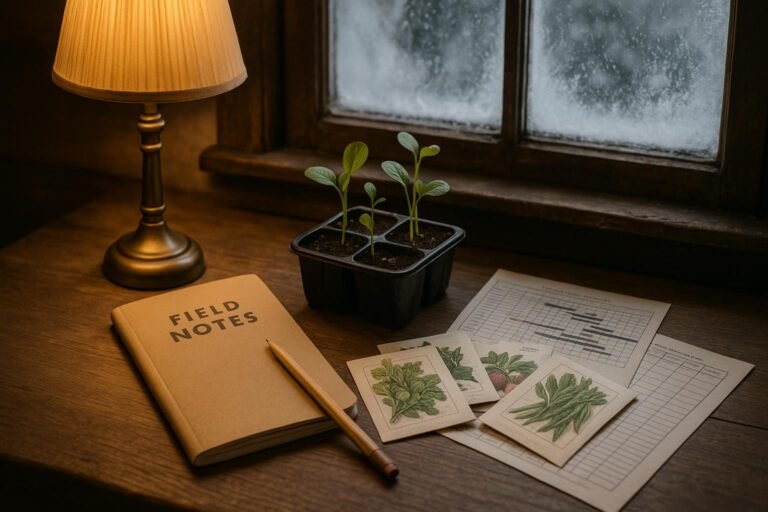
- Notes and learning: jot down tool performance, comfort, and any adjustments for next year
A clear maintenance plan keeps the toolkit reliable, preserves value, and reduces unexpected costs. It also supports momentum by preventing downtime due to dull blades or broken handles.
Budgeting, investing wisely, and keeping the kit future-ready
Growing your toolkit doesn’t have to break the bank. A thoughtful approach spreads costs across the year and emphasizes value over flashiness.
- Start with a core kit: essential, durable tools you can depend on for the long term
- Set a modest annual upgrade budget aligned with your goals and local climate
- Consider second-hand or refurbished options for higher-cost items, with strict quality checks
- Prioritize multipurpose tools that save space and money (e.g., a good hand trowel that doubles as a digging tool)
- Track costs and performance to refine future purchases—what worked, what didn’t
Smart budgeting reinforces continuity. It helps gardeners stay engaged, avoid buyer’s remorse, and continually improve their gardener’s toolkit without overspending.
Practical setup: organizing your gear for momentum
Organization is the invisible engine behind a scalable toolkit. A tidy setup makes it easy to start work quickly and reduce fatigue.
- Create a central storage station with labeled bins for seasonal gear
- Use a tool wall or pegboard for quick access and visual inventory
- Contain small parts in clear, labeled containers to prevent loss
- Assign a dedicated spot for spares, brushes, oils, and lubricants
- Keep a portable kit for on-the-go tasks—the garden’s secret weapon for momentum
With an organized system, you’ll spend less time hunting and more time working, nurturing steady progress across seasons.
A practical 4-season path: quick-start by season
For those just starting or returning after a break, a simple, actionable path can keep motivation high and results steady. Here’s a concise, season-by-season plan you can adapt to your climate.
- Spring: finalize your core kit, tune blades, and begin soil improvement. Add seed-start supplies and basic irrigation components.
- Summer: optimize watering and pruning, add targeted upgrades that reduce labor and protect crops.
- Fall: organize, clean, and prepare for storage. Add seed-saving gear if you practice it, and reinforce tool protection.
- Winter: perform deep maintenance, inventory, and learning. Build a shopping list for the next year, based on experiences and garden outcomes.
Following this cycle helps you maintain momentum and readiness all year long, turning a gardener’s toolkit into a trusted ally rather than a set of random tools.