Soil Lab at Home: From Beginner Tests to Pro-Grade Amendments
Seasonal Soil Lab invites gardeners of all levels to run a practical at-home soil test, map readings to seasonal needs, and build a year-round plan that supports thriving plants. By planning, testing, interpreting results, and applying amendments in sync with spring, summer, fall, and winter, you turn lab data into healthier soil and happier harvests.
Why a Seasonal Home Soil Lab Matters for Gardeners Year-Round
A seasonal approach keeps soil health aligned with plant needs and weather. Regular, timely tests reveal when soil micronutrients are depleted, when pH is out of range for your crops, and whether your organic amendments are working. A simple at-home soil test kit can anchor decisions, reduce guesswork, and help you budget for the year. When tests are paired with a garden calendar, you gain a practical framework rather than a one-off data point.
Beginner-Friendly Tests to Start With (Spring Focus) and What They Tell You
Soil pH test at home:
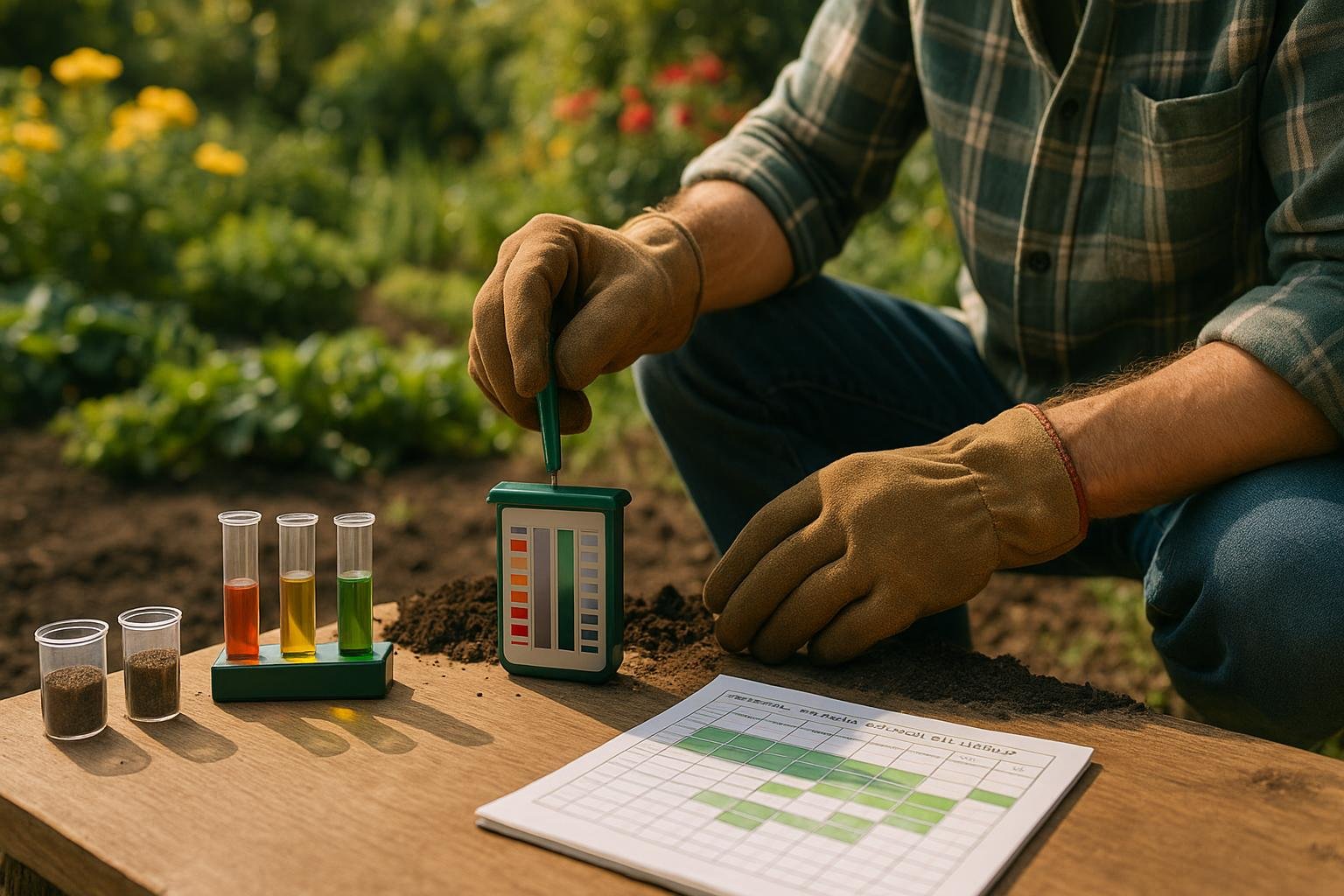
Use your at-home soil test kit to check pH and understand how the range affects nutrient availability for your crops.
Garden soil nutrients test:
A basic kit provides a snapshot of major nutrients (N, P, K) and a hint of micronutrients. Follow the kit instructions to decide on amendments.
Interpreting results:
Results point to what to adjust now and what to plan for later in the season.
Interpreting Results and Selecting Seasonal Amendments
If pH is outside your crop’s preferred range, consider lime to raise pH or sulfur to lower it, following label directions and re-testing after a few weeks.
Add organic matter through compost or tested compost blends to improve nutrient cycling and soil structure.
Align amendments with the season:
- lime or sulfur in early spring
- compost and mulch through late spring and summer
- cover crops or green manures in fall
- a winter review and planning phase
Turning Results into a Seasonal Plan You Can Follow
1) Create a results snapshot: list pH, key nutrient readings, and site notes for each bed.
2) Map actions to the calendar: spring adjustments, summer top-dressing, fall replenishment, and winter planning.
3) Build a simple 12-month plan: set reminders for testing, amendments, and re-tests, keeping goals aligned with your crops and climate.
4) Re-test after major amendments to confirm progress, and tweak your plan for next year.