Pioneer Species Strategy: Transform Degraded Soil Fast
Creating a thriving food forest starts with healthy soil, but what if your ground is compacted, depleted, or damaged? This is where a pioneer species strategy becomes your secret weapon. These fast-growing, resilient plants act as nature’s soil repair crew, transforming challenging conditions into fertile ground perfect for your permanent plantings.
Instead of fighting against poor soil conditions, pioneer plants work with natural processes to heal and improve your land. Think of them as the preparation crew that comes in before the main performers take the stage.
Understanding Pioneer Species Strategy in Permaculture
A pioneer species strategy mimics how nature reclaims disturbed landscapes. After wildfires, logging, or other disruptions, certain plants naturally colonize bare or damaged ground first. These hardy pioneers break up compacted soil, add organic matter, and create microclimates that support more diverse plant communities.
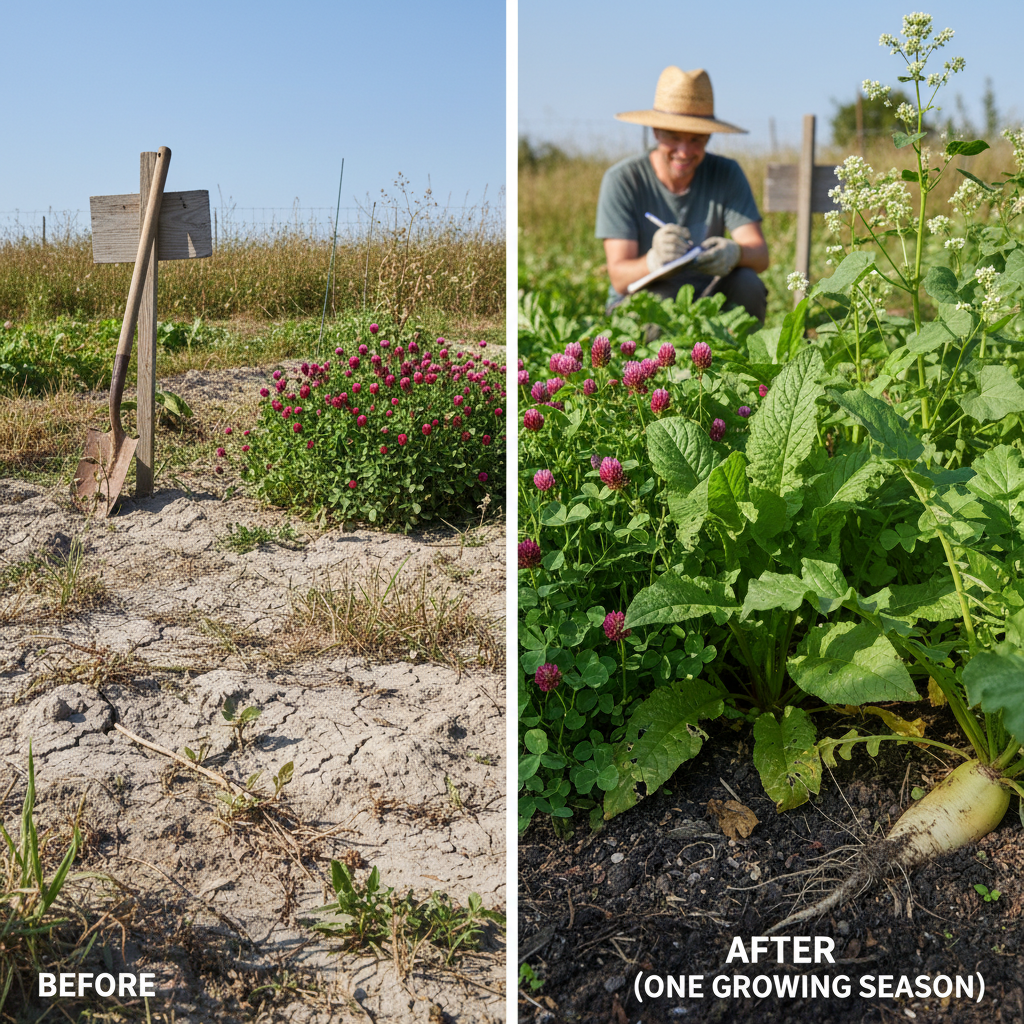
In your garden, you can harness this natural succession process. Rather than waiting decades for soil improvement, strategic pioneer plantings can transform your site in just 1-3 growing seasons.
The key benefits include:
- Breaking up compacted clay or hardpan layers
- Adding nitrogen and organic matter to depleted soil
- Suppressing weeds naturally
- Creating windbreaks and shade for future plantings
- Attracting beneficial insects and soil organisms
Before implementing your pioneer species strategy, it’s essential to understand your starting conditions. Our guide on reading your soil without expensive lab tests will help you identify specific challenges like compaction, pH imbalances, or nutrient deficiencies.
Top Pioneer Species for Different Soil Challenges
Different pioneer plants excel at solving specific soil problems. Here’s how to match the right species to your site’s needs:
For Compacted Clay Soil
Daikon radish acts like a natural subsoiler, sending taproots 2-3 feet deep. Plant in fall and let winter kill the tops. The decaying roots create channels for water and air movement.
Comfrey provides long-term soil improvement with deep taproots that mine minerals from subsoil layers. Its leaves make excellent mulch high in potassium.
Alfalfa combines deep rooting with nitrogen fixation. It can break through hardpan while adding valuable organic matter when cut and composted.
For Nitrogen-Depleted Soil
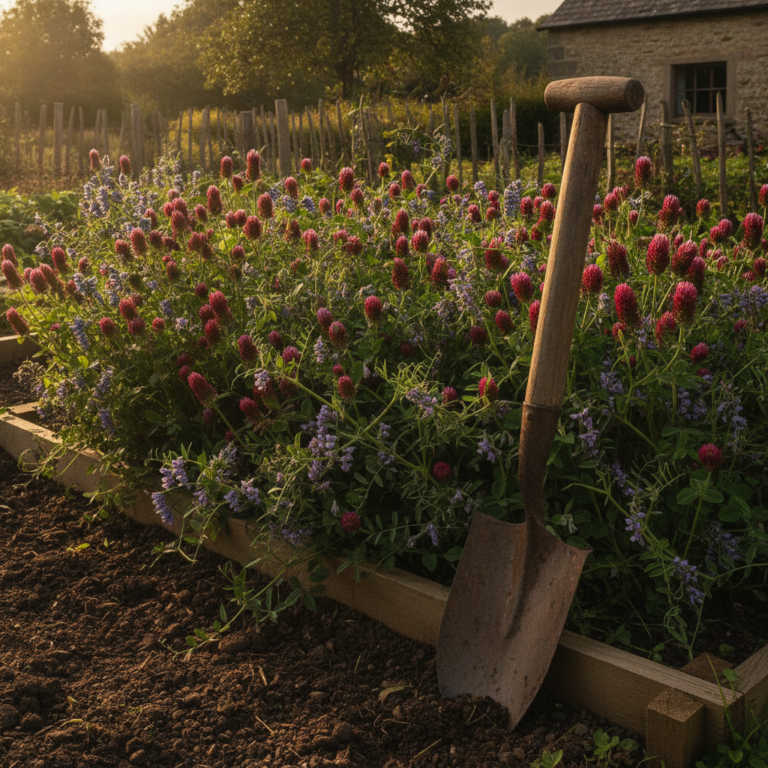
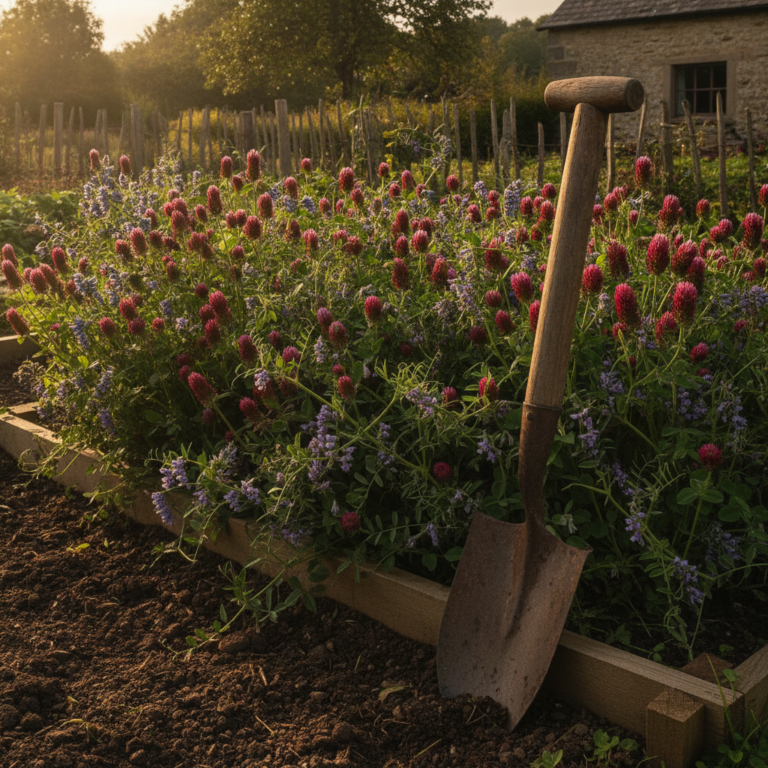
Austrian winter peas fix nitrogen while growing in cool weather. They’re perfect for fall planting and spring soil preparation.
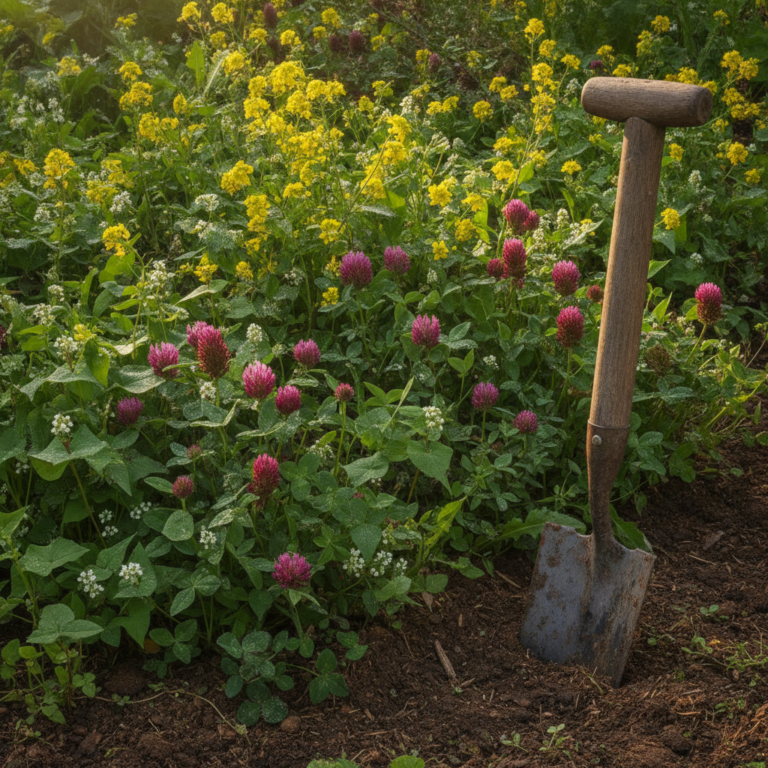
Red clover thrives in poor soils and can fix 100-200 pounds of nitrogen per acre annually. It also attracts beneficial pollinators.
Black locust trees provide nitrogen fixation for larger areas while creating valuable timber and living fence posts.
For Erosion-Prone Sites
Vetiver grass creates living terraces with its deep, fibrous root system. It’s particularly effective on slopes.
Willow establishes quickly from cuttings and provides fast erosion control along waterways or wet areas.
Elderberry combines erosion control with food production, thriving in marginal soils while producing edible berries.
Implementing Your Pioneer Species Strategy
Success with pioneer plantings requires strategic timing and placement. Start by mapping your site’s microclimates and problem areas. Our complete microclimate mapping guide will help you identify the best locations for different pioneer species.
Phase 1: Site Preparation (Year 1)
Begin with aggressive pioneer species that can handle the toughest conditions. Plant a diverse mix rather than monocultures to maximize soil benefits.
For severely compacted areas, try this proven combination:
- 30% deep-rooted species (daikon, comfrey)
- 40% nitrogen fixers (clover, peas)
- 30% biomass producers (buckwheat, mustard)
Plant in spring for maximum growing season impact. Water establishment plantings but avoid fertilizing – pioneers thrive in poor conditions.
Phase 2: Soil Building (Year 2)
As initial pioneers break up soil structure, introduce secondary species that add more organic matter and diversity.
Consider adding:
- Perennial grasses for long-term soil protection
- Shrubs like elderberry or serviceberry for structure
- Self-seeding annuals like calendula or dill
This is also the time to begin selective harvesting. Cut some pioneer plants for mulch while leaving roots to decompose in place.
Phase 3: Transition Planning (Year 3)
By year three, your pioneer species strategy should show clear soil improvements. Test areas may be ready for permanent food forest plantings.
Begin introducing your target species gradually. Plant them in the most improved areas first, using remaining pioneers as nurse plants for protection and continued soil building.
Managing Pioneer Plants for Maximum Benefit
Pioneer species can become aggressive if not managed properly. The key is working with their natural growth patterns while directing their energy toward soil improvement.
Timing cuts strategically maximizes organic matter addition. Cut nitrogen-fixing plants just before they flower to capture peak nutrient content. Leave roots intact to continue soil building.
Creating succession prevents any single species from dominating. Stagger plantings and introduce new species each season to maintain diversity.
Harvesting biomass regularly prevents pioneer plants from going to seed in unwanted areas. Use cut material for mulch, compost, or animal feed.
For beginners wondering how to coordinate these activities with other garden tasks, our beginner-friendly planting schedule shows how to integrate soil building with food production.
Measuring Success and Next Steps
Monitor your pioneer species strategy progress through simple soil tests and visual observations. Healthy soil should show:
- Improved water infiltration (less pooling after rain)
- Easier digging and root penetration
- Increased earthworm activity
- Better plant growth in test areas
- Reduced weed pressure
Document changes with photos and notes. This information becomes invaluable for planning your permanent food forest layout.
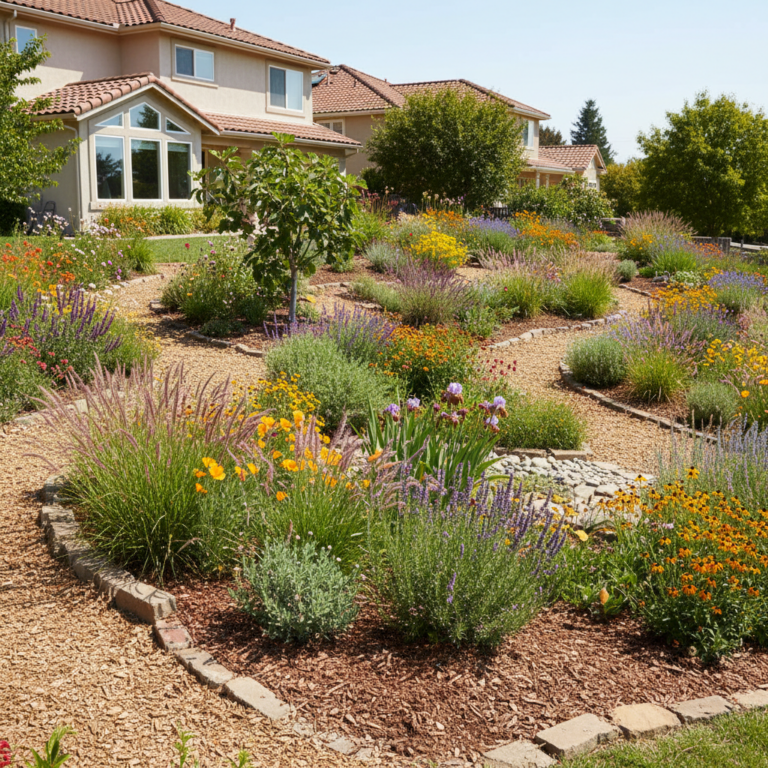
As soil conditions improve, gradually transition pioneer areas to productive plantings. Some pioneers like comfrey and elderberry can remain as permanent guild members, continuing to provide soil benefits alongside food production.
Remember that soil building is an ongoing process. Even after establishing permanent plantings, continue using pioneer species principles by incorporating nitrogen-fixing ground covers, deep-rooted herbs, and biomass-producing annuals throughout your food forest design.
Common Mistakes and How to Avoid Them
Many gardeners rush the pioneer phase, but patience pays off with better long-term results. Avoid these common pitfalls:
Planting permanent species too early wastes time and money. Wait until soil tests show measurable improvement before investing in expensive fruit trees or perennial vegetables.
Ignoring local conditions leads to poor pioneer plant selection. Research which species perform best in your climate and soil type before planting.
Neglecting management allows pioneers to become weedy problems. Plan for regular cutting, harvesting, and species rotation from the beginning.
Your pioneer species strategy sets the foundation for decades of productive gardening. By working with natural succession processes, you’ll create resilient, fertile soil that supports abundant food production while requiring minimal external inputs.
The investment in soil preparation pays compound interest through easier maintenance, higher yields, and more resilient plants. Start your pioneer plantings this season and watch your land transform into the thriving ecosystem you’ve always envisioned.