The Year-Round Garden Planner: A Step-by-Step Calendar That Scales from Novice to Expert
Season-by-Season Growth: A Progressive Garden Planner for Beginners to Experts
Why a year-round garden planner matters
A year-round garden planner is more than a calendar of tasks. It’s a framework that grows with you, from curious beginner to confident expert. By planning season by season, you can seed skills early, build momentum, and prevent burnout when the garden feels overwhelming. A thoughtful plan helps you align effort with harvests, save time, and reduce waste.
With a year-round garden planner you’ll:
- Set realistic expectations for what you can accomplish in each season.
- Capture lessons learned so next year you start stronger.
- Track progress with clear metrics, not vague memories of “a good year.”
- Tailor actions to your climate, soil, and microclimates for better results.
The Seasonal Framework
The planner divides the year into four seasons, each building on the last. This structure helps you develop skills in a manageable rhythm while maximizing harvests. Use the framework as a living document—update it as you learn what works in your garden.
Seasonal focus at a glance:
- Spring — Prepare soil, start seeds, and set early crops that demand a longer growing period.
- Summer — Maintain, transplant, and practice succession planting to extend harvests.
- Autumn — Harvest fully, renew soil with compost, and plan for season extension or fall crops.
- Winter — Reflect, learn from the year, and plan improvements for the next cycle.
Month-by-Month Path: Building Skills and Harvests
Within each season, the planner maps a progressive sequence of monthly tasks. The goal is to advance your confidence and capability while delivering steady harvests. The tasks are climate-aware, so you can customize them to your zone and frost dates.
Beginner path (months 1–3) focuses on core habits and simple crops. As you gain comfort, your monthly tasks become more nuanced, and you’ll experiment with additional crops, timing, and methods.
Example month-by-month progression:
- January–February: Indoor seed starting, soil testing, planning, and order checks. Build a small seed-starting station and learn light, water, and humidity basics.
- March: Prepare beds, amend soil, and plant hardy greens and peas. Practice row spacing and simple succession sowing.
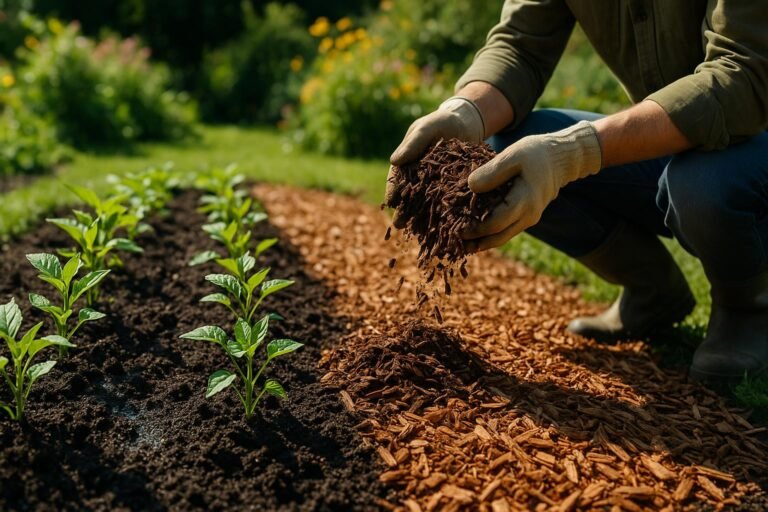
- April: Transplant seedlings outdoors, mulch for moisture, and start a simple compost pile. Track first harvests and adjust for pests with observation, not reaction.
- May–June: Expand plant lists, introduce warm-season crops, and schedule regular fertilizing and irrigation checks. Begin a basic harvest log.
- July–August: Maintain steady harvests, practice succession planting for continuous yields, and refine watering strategies during hot days.
- September–October: Harvest mature crops, renew soil with compost, and plan for fall crops or a winter-friendly bed rotation.
- November–December: Review the year, celebrate wins, and set preliminary goals for the next cycle. Begin indoor planning for winter or early spring crops.
Templates and Checklists
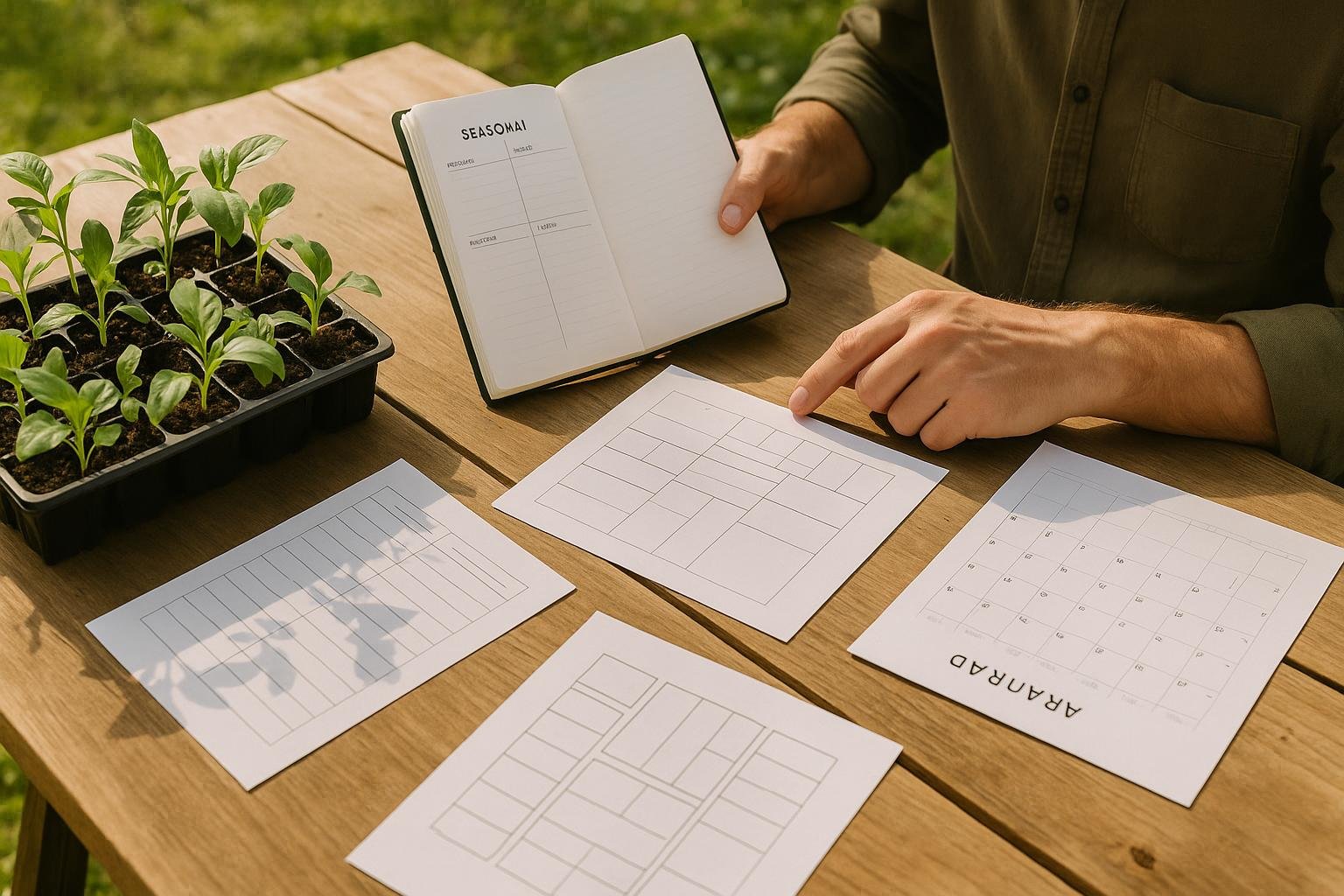
Templates and checklists are the backbone of a practical year-round garden planner. They keep you organized and speed up decision-making when your schedule is busy. The following templates can be printed or kept in a digital notebook and updated year after year.
- Season-by-season planner template: a high-level view of tasks, goals, and metrics for Spring, Summer, Autumn, and Winter.
- Monthly task checklist: concrete actions for each month, with space to note outcomes and adjustments.
- Planting calendar: a visual map showing what to sow, transplant, or direct sow and when.
- Harvest tracker: weight and yield per crop, plus notes on flavor and storage quality.
- Soil amendment log: dates, amendments used, and soil test results to guide future improvements.
- Pest and disease log: simple observations, interventions, and outcomes to improve prevention strategies.
Tips for making templates work:
- Keep templates simple and repeatable; complexity grows as you do.
- Color-code sections by season to see at a glance where you should be focusing your energy.
- Review and adjust the templates after each season so the plan remains realistic and relevant.
Adapting to Your Climate
Your climate largely determines how you implement a year-round garden planner. The plant choices, frost dates, and seasonal windows shift from one region to another. The key is to customize the planner to your local conditions rather than trying to fit a generic schedule.
Practical adaptation steps:
- Identify your hardiness zone and average frost dates. Use them to anchor when to start seeds indoors and when to expect outdoor planting.
- Note microclimates in your garden—areas that are warmer, cooler, wind-protected, or shaded—and adjust crops and timing accordingly.
- Track weather anomalies and adjust expectations for early warmth or late cold snaps. A flexible plan beats a rigid one.
- Consult local extension resources, neighbors, and garden clubs for region-specific crops and practices.
Tracking Your Growth: Simple Metrics
A successful year-round garden planner blends task lists with simple metrics that reveal progress. Tracking helps you see patterns, celebrate wins, and identify opportunities for improvement.
- Harvest quantity and quality: record weights, counts, and subjective notes on flavor and storage life.
- Crop success rate: compare planned vs. actual plantings and note removal or replacement decisions.
- Time-to-harvest: log days from sowing to first harvest to refine future timelines.
- Soil health indicators: track soil test results, compost additions, and organic matter improvements.
- Skill milestones: mark when you mastered a technique (transplanting, pruning, succession sowing) and plan the next skill to tackle.
Use a simple scoring approach if you like: a monthly progress score that combines harvest success, on-time tasks, and soil health improvements. This keeps motivation high and shows year-over-year growth.
From Novice to Expert: A Growth Plan You Can Revisit Year After Year
The beauty of a progressive garden planner is its ability to scale with your ambitions. Start with fundamental tasks, then layer in advanced techniques as confidence builds. Each year you return to the planner, your entries become richer, your harvests more abundant, and your problem-solving sharper.
- Increase diversity gradually. Start with a few reliable crops, then add a new crop each season to broaden experience without overwhelming yourself.
- Experiment with succession planting and intercropping in a controlled way. Track outcomes to decide what to expand.
- Introduce season extension techniques (row covers, cold frames, or cloches) to stretch growing time and learn new tools.
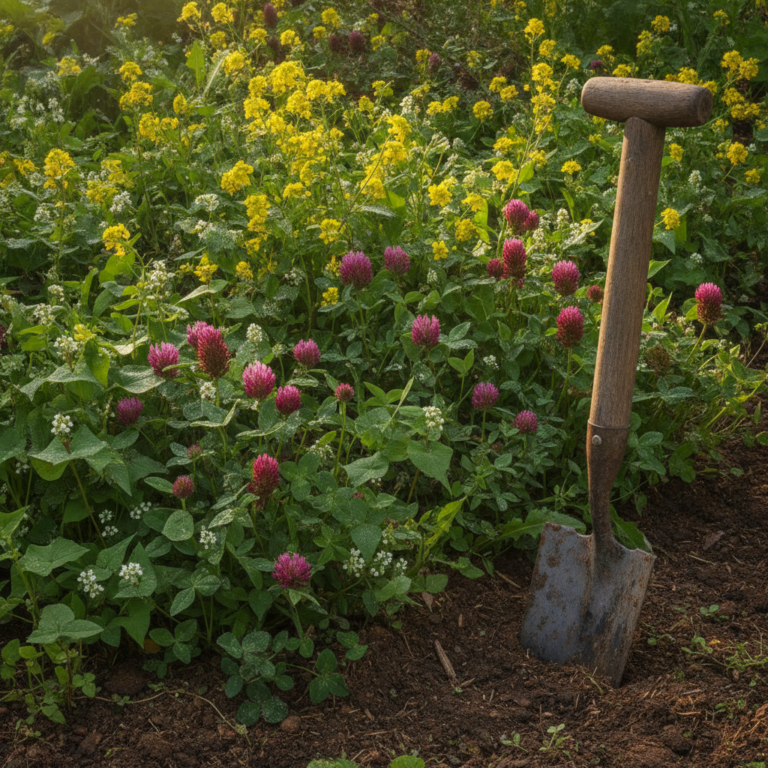
- Refine soil health practices—composting, mulching, and cover crops—to build a resilient growing base for every season.
- Polish your harvest planning for continuous yield. Use the monthly templates to time harvests and storage needs effectively.
As you revisit the year, your confidence grows. The planner becomes less about ticking boxes and more about cultivating a thriving ecosystem that mirrors your skills and aspirations. With the momentum of a year-round garden planner, you’ll move from simply tending plants to shaping a resilient, productive garden that evolves with you.