Garden Storylines: A Month-by-Month Narrative Approach to Grower Growth
Introduction: how a month-by-month narrative fuels gardener growth for all skill levels
Gardening isn’t only about the plants you grow; it’s about the story you tell yourself while you grow them. A month-by-month narrative turns a seasonal chore into a purposeful journey, letting beginners build habits and helping seasoned gardeners sharpen their craft. This month-by-month gardening guide frames tasks as chapters, so your garden develops in clear, measurable steps.
A steady rhythm makes learning stick. Rather than chasing a long checklist of scattered tasks, you follow a predictable arc: plan, sow, nurture, harvest, and preserve. Each month adds a page to your garden story, and each task reinforces skills you’ll rely on year after year. You’ll learn when to start seeds, how to protect your soil, and how to savor the harvest you worked for all season.
Whether you garden in a city plot, a suburban yard, or a balcony box, this approach scales to any space or climate. You’ll find practical tasks for planning, seed starting, soil care, pest management, harvest, and preservation. The aim is to help you build consistent habits and track real progress—so you can move from curious beginner to confident pro, one month at a time.
Why a month-by-month narrative fuels gardener growth
A narrative approach provides context and momentum. Tasks aren’t isolated chores; they are chapters that connect cause and effect. When you see how February supports March, and how March sets up May harvests, you gain a deeper understanding of how a garden responds to light, temperature, and water.
- Momentum: small, repeated steps create lasting habits.
- Clarity: you know what to do next, no guesswork.
- Adaptability: the story unfolds with your climate and space.
- Measurement: progress becomes clearly visible in logs and records.
How to use this month-by-month gardening guide
Start by noting your climate zone and any constraints (sun, wind, soil type). Then set practical goals for the year—like “three bed rotations” or “one bed of herbs for kitchen use.” Use the templates and checklists that follow to capture plans, track tasks, and celebrate harvest milestones.
- Stage your space: prepare beds, containers, and support structures.
- Start seeds or plan direct sowing based on frost dates.
- Establish a simple watering, weeding, and observation routine.
- Preserve harvests through canning, freezing, drying, or fermentation.
Templates and checklists to track your journey
Printed or digital templates keep your progress visible and actionable. Use these as anchors for each month, then adapt them to your space.
- Monthly Task Log — captures goals, completed tasks, and notes for next year.
- Garden Journal Template — records weather, pest notes, and plant performance.
- Seed Starting Calendar — marks sow dates, germination windows, and transplant timing.
- Harvest and Preservation Record — tracks yields, storage methods, and recipes used.
Seasonal framework: mapping months to winter, spring, summer, and fall in the Northern Hemisphere
Understand how the year unfolds across seasons so you can align tasks with natural rhythms.
Winter to early spring: planning, seed starting, soil prep, and skill-building
- Plan and refine your year by evaluating last season’s outcomes.
- Test soil in beds and amend based on results.
- Organize seed catalogs and select starter crops for indoors.
- Draft trellis plans, spacing, and early irrigation ideas.
Implementing the monthly storyline: practical templates, checklists, and progress tracking for your garden
Use these templates to capture your plans, monitor ongoing tasks, and celebrate harvest milestones. They adapt to any space, climate, or garden size.
- Monthly Task Log — goals, completed tasks, notes for next year.
- Garden Journal Template — weather, pests, and plant performance.
- Seed Starting Calendar — sow dates, germination windows, transplant timing.
- Harvest and Preservation Record — yields, storage methods, and recipes used.
January: Kickoff and planning
January is the quiet season in many climates, the perfect time to set the narrative foundation.
- Reflect on last year’s garden: successes, failures, and lessons learned.
- Define clear goals for the coming season (space, crops, preservation).
- Draft a seed starting plan and order the varieties you want to trial.
- Prep tools and beds: sharpen pruners, clean containers, and repair equipment.
February: Soil, structure, and seed prep
February builds the backbone of your garden by focusing on soil health and early planning.
- Test soil in beds and amend based on results.
- Organize seed catalogs and select starter crops for indoors.
- Plan trellises, cages, and spacing for your chosen crops.
- Begin indoor seed starts for warm-season crops if you have light and warmth.
March: Spring kickoff and seed starting
March is when plans begin to sprout in earnest. It’s time to translate dreams into action.
- Direct-sow cold-hardy crops where weather allows, or transplant indoors later.
- Hardening off seedlings to outdoor conditions in gentle stages.
- Prepare beds: cover crops or compost to feed soil biology.
- Install or adjust irrigation and mulching strategies.
April: Planting and bed preparation
April blends soil readiness with the first wave of plantings and careful maintenance.
- Transplant hardened seedlings into garden beds or containers.
- Direct-sow fast-growing greens and root vegetables.
- Mulch to conserve moisture and suppress weeds.
- Prune perennials and tidy borders to reduce disease risk.
May: Growth, care, and continuous sowing
May deepens your routine as plants gain momentum and the calendar invites more harvest possibilities.
- Monitor moisture closely; adjust irrigation with weather changes.
- Practice succession planting for continuous harvests.
- Weed regularly to reduce competition and improve air flow.
- Protect young transplants from pests with humane, proactive methods.
June: First harvest windows and pollinator-friendly shifts
June brings vigor and the first tastes of success. Your garden shows you how far you’ve come.
- Harvest early greens and herbs to encourage new growth.
- Space crops properly to minimize shading and maximize yields.
- Introduce companion plantings to support beneficial insects.
- Track fruit set and adjust feeding schedules accordingly.
July: Peak season management
July demands steady routines to maintain health as heat peaks and pests test boundaries.
- Water deeply, less often, to encourage deep roots.
- Rotate beds where possible to prevent soil fatigue and disease buildup.
- Monitor for pests and implement integrated pest management where needed.
- Continue harvests and begin early preservation planning (freezing, drying).
August: Second wave of harvest and preservation
August invites you to savor what’s grown and to extend the season through preservation.
- Stagger plantings for a late-summer and early-fall harvest.
- Preserve greens, fruits, and herbs: freeze, can, dry, or ferment.
- Keep soil covered with mulch or compost to protect against heat stress.
- Evaluate crop rotations and jot notes for next year’s bed layouts.
September: Planning a fall push and soil renewal
September signals a shift toward fall crops and soil renewal for the next season.
- Plant cool-season crops where conditions permit; sow cover crops in emptied beds.
- Collect seeds from best-performing varieties for next year.
- Reduce watering as temperatures fall and rainfall patterns change.
- Begin a fall cleanup that protects over-wintering perennials.
October: Fall cleanup and soil protection
October is about tidying while laying groundwork for a strong spring.
- Mulch heavily to protect roots and suppress weeds through winter.
- Compost plant debris and feed the soil with organic matter.
- Store tools and tidy pathways to prevent rust and damage.
- Review goals and adjust plans for the year ahead.
November: Off-season planning and indoor greens
November offers a peaceful window to plan ahead and keep productive indoors.
- Refine your seed and crop lists based on experience this year.
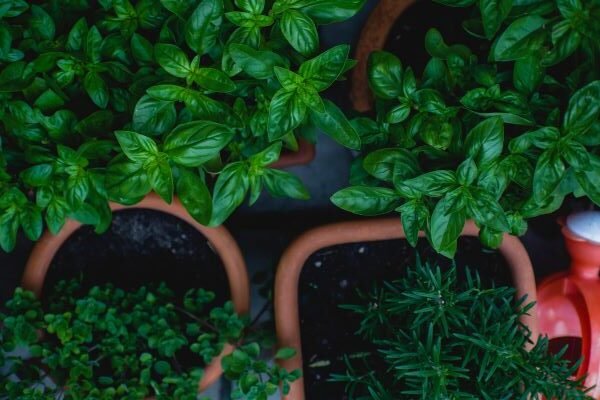
- Start a small indoor herb garden if light allows.
- Take soil samples for the upcoming growing season.
- Design your 12-month calendar anew, incorporating lessons learned.
December: Reflection and next-year planning
December closes the cycle with reflection, gratitude, and renewed goals.
- Review harvest totals, growth rates, and pest pressures.
- Set ambitious, achievable goals for the next year’s month-by-month gardening guide.
- Update templates with new observations and updated dates.
- Restock seed inventories and plan experiments to try in the coming season.