Microclimate Makeovers: Simple Tweaks That Boost Yields Without Expanding Your Space
Introduction: Why microclimates matter in small-space gardening
In small-space gardens—balconies, apartment patios, or tiny urban plots—the difference between a decent harvest and a bumper one often comes down to microclimates. Microclimate gardening focuses on the tiny weather realities that affect a few square feet: how much sun reaches your pots, how much wind whips through the railing, how warm the soil actually gets, and how evenly moisture stays in the root zone. By understanding and adjusting these microclimates, you can squeeze more yield from every container without expanding space.
Whether you’re new or experienced, the goal is the same: maximize sun, soften wind, warm the soil, and lock in moisture. The tweaks are practical, affordable, and reversible. A few well-placed changes can transform a crowded balcony into a productive micro-farm. Because everything happens in containers, you can experiment without permanent garden beds.
As you explore microclimate gardening for containers and balcony setups, you’ll see how small shifts in position, protection, and soil care translate into bigger harvests—from herbs to leafy greens, peppers to compact tomatoes. These season-ready steps can be started today and built on through spring, summer, and fall.
Core microclimate tweaks you can implement without expanding space
Maximizing sun in container gardens
Sun is the lifeblood of most container crops. In tight spaces, getting the most usable sun each day is the first big lever you can pull.
- Position taller plants to the north side of shorter ones to avoid shading during peak hours.
- Place sun-loving crops (peppers, tomatoes, eggplants, basil) in the sunniest spots with at least 6–8 hours of direct light.
- Rotate containers weekly so each plant enjoys balanced exposure and reduces accidental sun burn on one side.
- Use light-reflecting surfaces like white walls or reflective plant tags to boost light around shady corners.
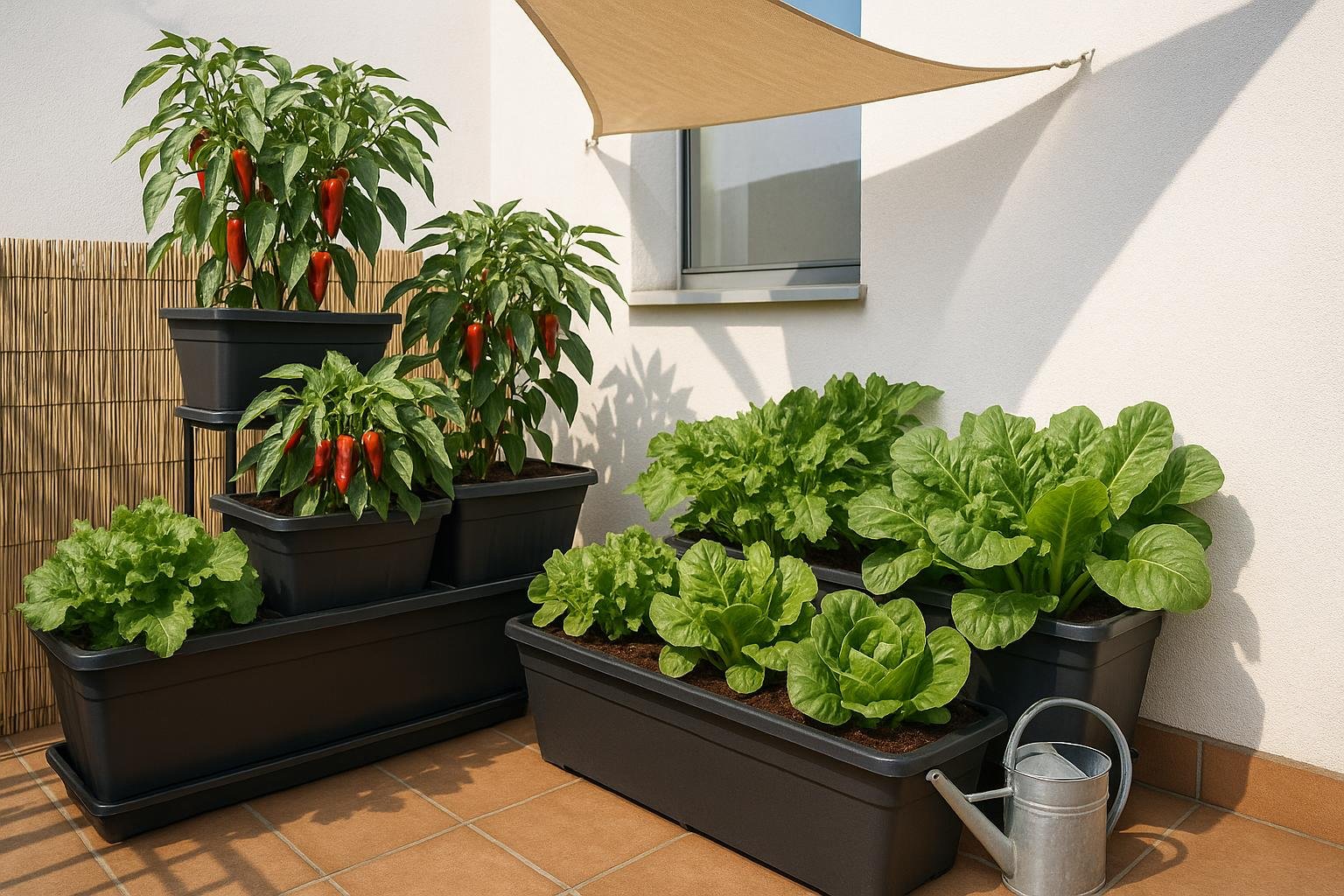
- Consider extending the growing day with a lightweight, adjustable sun sail or shade cloth for hotter climates—and remove it on cooler spring days to maximize sun.
Small spaces often hide micro shade from railings or neighboring structures. In microclimate gardening, a little planning goes a long way: swap out pots to optimize sun paths, and group sun-loving crops in the best-lit nooks. The payoff is steadier growth and bigger yields from the sunniest containers.
Protecting plants from wind on balconies
Wind is a stealthy thief in container gardens. Even a gentle breeze can dry soil quickly, desiccate leaves, and stunt growth. Building wind protection makes a surprising difference in both plant health and yield.
- Create a windbreak using lightweight screens, trellises, or a row of potted shrubs along the windy edge of the balcony.
- Position taller plants to act as a natural barrier for more delicate greens and herbs behind them.
- Group containers closely enough to reduce air movement between pots, but ensure adequate airflow to prevent fungal issues.
- Use opaque or densely planted living screens rather than plastic sheeting, which can trap heat and hinder growth.
- Rotate pots weekly to distribute wind protection evenly and prevent edge-drying on a single side.
With a thoughtful wind strategy, plants stay hydrated, leaves stay intact, and growth remains steady. In microclimate gardening, even a modest windbreak can translate into noticeably larger harvests over a growing season.
Warming soil and encouraging early-season growth
Soil warmth signals roots to wake up and start feeding the plant. In containers, soil can stay cooler than the air, especially in early spring or on cloudy days. You can nudge soil temperatures higher in affordable, low-tech ways.
- Choose dark or colored pots that absorb heat, and place them on insulated pads or a layer of old newspapers to reduce heat loss at night.
- Mulch the soil with straw, shredded bark, or coconut coir to trap warmth and retain moisture.
- Add a thin layer of compost or worm castings to boost soil warmth and microbial activity, helping seedlings establish faster.
- Use cloches, plastic bottles cut in half, or lightweight tunnel covers to protect young transplants on cool nights.
- Avoid overwatering in cool weather; damp, cool soil can slow root growth. Water when the top inch of soil dries out.
Warm soil accelerates germination and early growth, giving your crops a head start. A warmer, well-moist soil bed in each container means bigger plants and sooner harvests.
Smart moisture management for compact beds
Containers dry out faster than garden beds, and inconsistent moisture stunts development and yields. The right moisture strategy keeps roots happy without wasting water.
- Use a combination of drainage-friendly pots and a saucer or tray that catches excess water without leaving roots soggy.
- Adopt moisture-retentive growing media: a mix that includes coir, perlite, and a bit of compost to balance drainage and water-holding capacity.
- Incorporate mulch on top of the soil to reduce evaporation and keep roots cool in heat waves.
- Install self-watering containers or a simple wick system for steady moisture, especially in hot climates or during vacations.
- Water early in the day to let foliage dry before evening, reducing disease risk while providing a steady supply to roots.
Consistent moisture is a cornerstone of microclimate gardening. By minimizing swings in soil moisture, you prevent stress, improve pollination, and grow more fruit and foliage from compact plantings.
Season-ready tweaks: spring through fall
Seasonality matters in small-space gardening. Tailor microclimate tweaks to the calendar so you harvest from spring into fall with less effort and more abundance.
- Spring: Start with hardened-off seedlings, use frost cloths or cloches for chilly nights, and fill pots with a warm, well-draining mix to speed establishment.
- Early summer: Move sun-loving crops to the sunniest spots, supplement with light shade during peak heat, and refresh mulch to retain moisture.
- Mid-summer: Embrace shade cloth for heat-sensitive plants, check irrigation systems for efficiency, and prune to improve air circulation where necessary.
- Late summer to fall: Begin extending the season with fleece covers on cooler nights, harvest regularly to encourage continuous fruiting, and layer mulch to protect roots as temperatures cool.
With these season-ready microclimate tweaks, you’ll smooth transitions between spring vigor and fall harvest, keeping your balcony or container garden productive without constant, space-hungry expansion.
Microclimate gardening in tiny spaces isn’t about following a rigid template. It’s about reading the signals your space gives you—sun angle, wind patterns, soil warmth, and moisture trends—and responding with simple, affordable improvements. By focusing on sun optimization, wind protection, soil warmth, and moisture management, you can unlock noticeably bigger yields from tight spaces.
If you’re ready to try these microclimate tweaks, start with one balcony container and a single crop you love. Observe how it responds over a week, then add another adjustment. Small changes compound over the season, and soon you’ll be enjoying harvests you once thought impossible in a micro-sized garden.