Vertical Garden Mastery: Designing Multi-Story Gardens That Grow With Your Skills
Vertical garden mastery grows with your skills
As you gain hands on experience, your garden should scale with you. This guide helps you design vertical garden systems that start small but expand as you grow, covering planning, modular frame options, crop planning by level, maintenance, and spring prep. You’ll learn to maximize space and harvests with a clear progression from beginner to expert.
Understanding scalable vertical systems vs static setups
Vertical gardening shines when the system is designed to grow with you. Scalable vertical garden systems use modular panels, tiered racks, and pocket walls that can be added or relocated as needs change, while static setups stay fixed and may require entire overhauls to expand. Benefits of scaling include better light exposure, improved irrigation efficiency, easier maintenance, and higher yields per square foot.
Spring planning: space, light, and starter frames you can expand
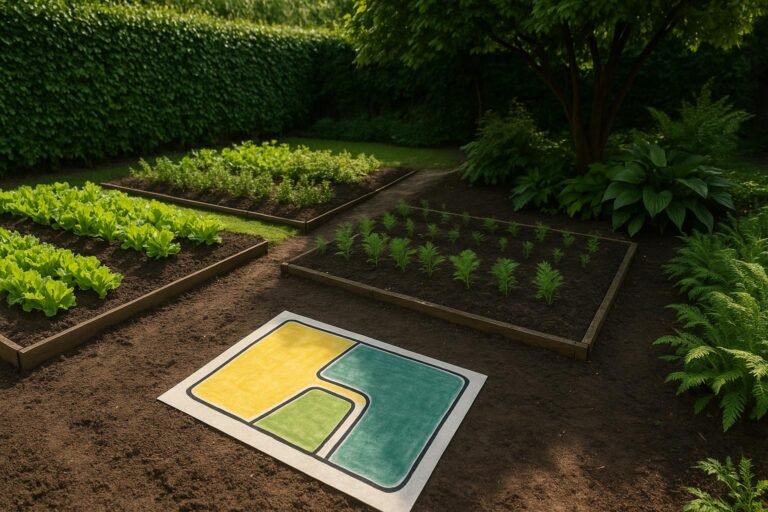
Spring is the ideal time to map space, assess light, and choose starter frames that you can add to later. Start with a plan that anticipates future growth, so your first installation feels like a stepping stone, not a one off.
Assessing light levels, access, and load capacity
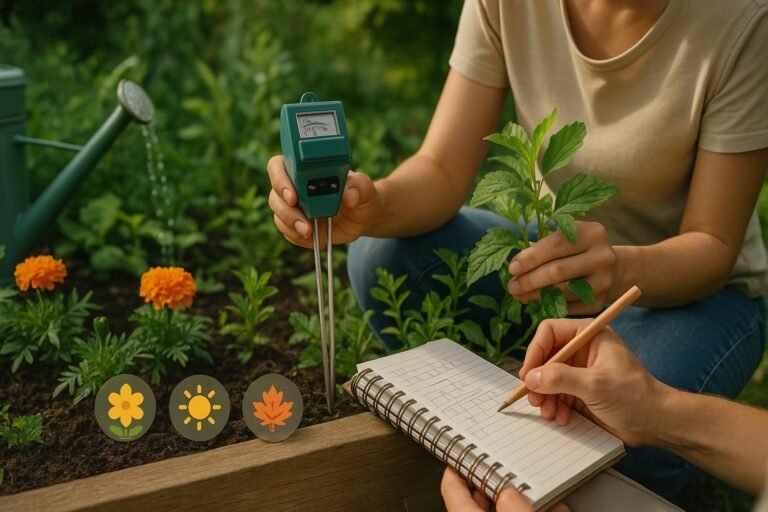
Measure light with a simple test of the last 6 hours of sun or a light meter; note access for planting, pruning, and harvesting; and calculate load capacity of walls, balconies, or shelves to avoid overloading structures.
Choosing expandable vertical systems (modular panels, tiered racks, pocket walls)
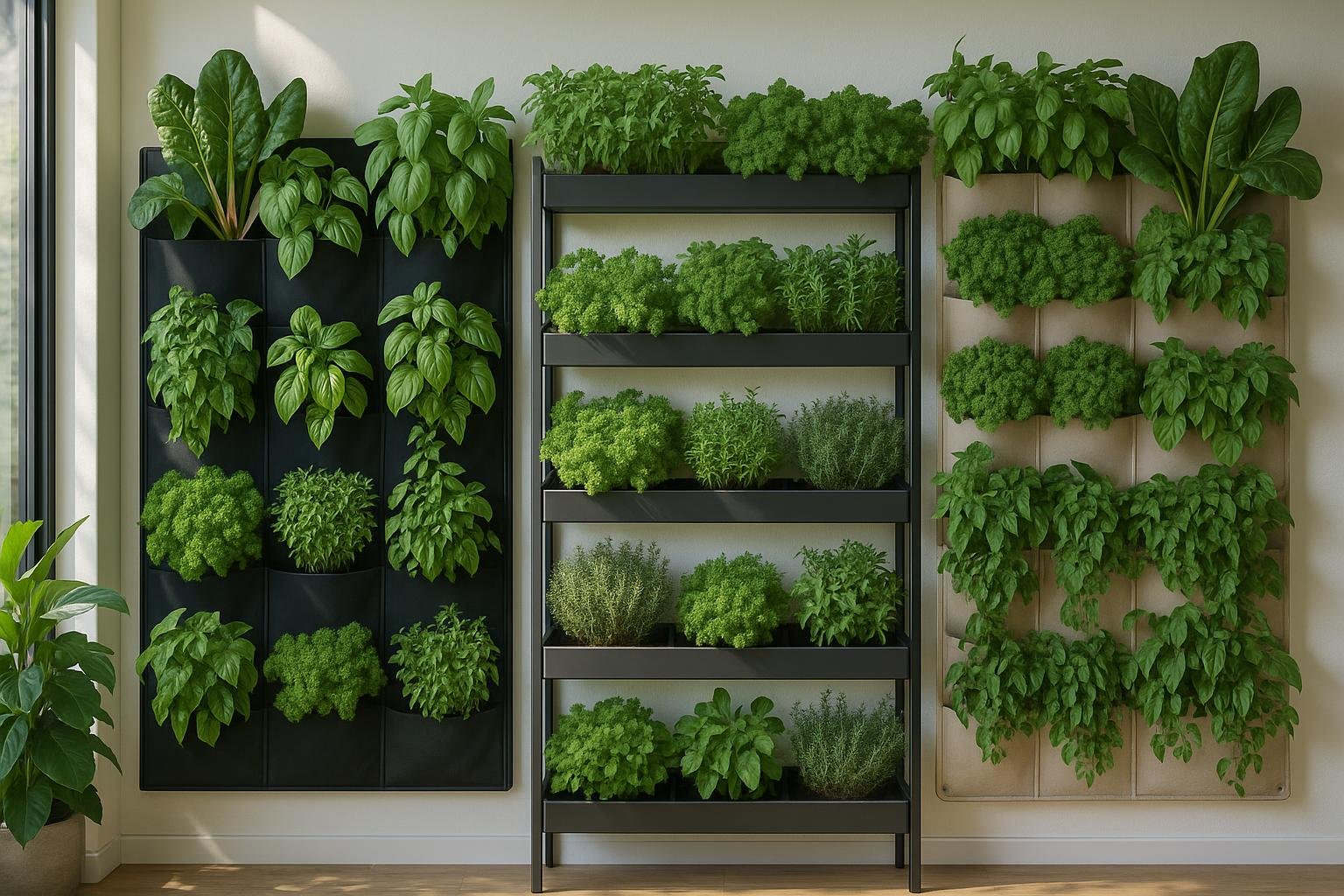
Modular panels offer flexible surface area; tiered racks optimize height and airflow; pocket walls provide soil pockets for herbs and greens. Select systems that can be expanded later with add-ons or reconfigured into multi-story arrangements.
The progression path: beginner to expert
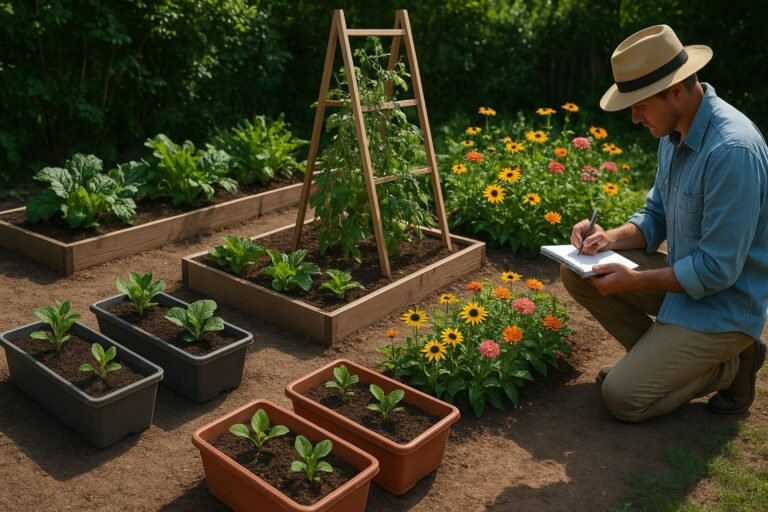
Use a staged approach that fits your space, budget, and time. Start small, then incrementally add levels, irrigation upgrades, and automation as you gain skills.
Beginner setup: compact footprint, easy crops, simple irrigation
- Compact footprint with 1–2 tiers
- Easy crops: lettuce, spinach, arugula, basil, cilantro
- Simple irrigation: basic drip line or capillary mat
Intermediate upgrades: more levels, better irrigation, modular add-ons
- 3–5 levels with improved drainage
- Drip irrigation with individual emitters and timers
- Modular add-ons such as extra panels, benches, or trellises
Advanced milestones: automation, soil-less media, drainage optimization
- Automation: timers, moisture sensors, system monitoring
- Soil-less media: coco coir, perlite, rock wool blends
- Drainage optimization: slope, gutters, and overflow management
Crop planning by level: what to plant on each tier
Plan crops to align with microclimates on each tier. Generally, the bottom tiers receive cooler air and slightly less direct sun, while upper tiers enjoy more light and warmth. Pair crops accordingly for even harvests.
Level-specific crops and microclimate considerations
- Level 1 (lower tier): leafy greens like lettuce, spinach, kale; herbs such as parsley and chives. Good for partial shade and steady moisture.
- Level 2 (mid tiers): compact tomatoes, peppers, strawberries, cucumbers in trellis-friendly designs; herbs like dill and oregano.
- Level 3 (top tier): sun-loving herbs and compact fruiting crops such as basil, thyme, cherry tomatoes, peppers; flowers for pollinators.
Maintenance routines that scale
As your system grows, so do your maintenance routines. Establish regular schedules that match your level of automation and crop mix.
Watering schedules, pruning, harvesting cadence
- Tiered watering cadence based on exposure and plant type
- Pruning to maintain air circulation and harvest quality
- Harvest cadence to sustain steady yields
Seasonal care and winter prep
Seasonal care includes adjusting exposure to light, insulating frames, and preparing for winter or off-season storage of components and tools.
Troubleshooting and common pitfalls
Vertical gardens can face structural, pest, and watering challenges. Proactive planning and monitoring help prevent common problems.
Structural, pest, and water management challenges
- Check for wobble, fastener wear, and load limits
- Monitor for aphids, mites, and fungus; use integrated pest management
- Ensure even watering, avoid overwatering, and manage drainage
Quick-start action plan
Begin your scalable vertical garden with a focused four-step plan designed to launch quickly and grow with you.
4-step starter plan to launch your scalable vertical garden
- Define your space and choose a starter frame that can expand
- Pick beginner crops and a simple irrigation setup
- Install basic drainage and ensure safe load limits
- Set a 2-week rotation and monitor growth, then expand