Companion Planting for Every Skill Level: Simple Pairings, Clear Benefits, and Pro Tricks
Spring-focused companion planting: why beginners benefit and how to start
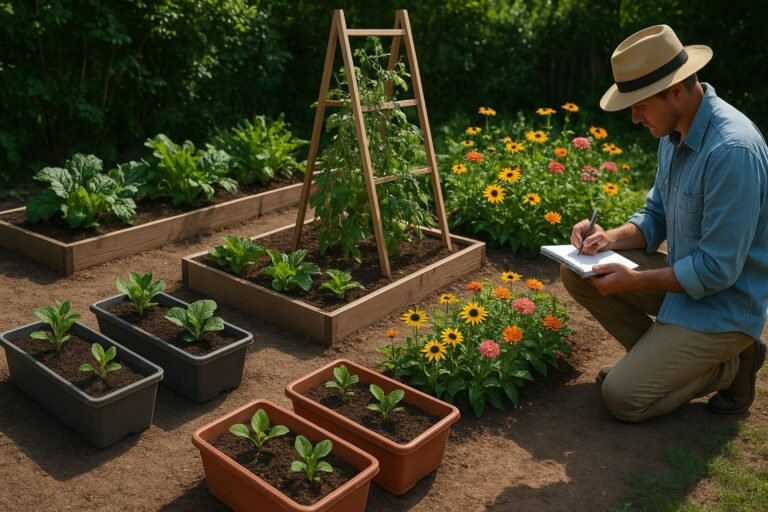
Spring is the ideal time to explore companion planting. It’s beginner-friendly, scalable to any garden size, and offers clear benefits: pest deterrence, improved soil health, and the potential for higher yields. Whether you’re growing in containers or in-ground beds, this guide shows simple, spring-focused pairings you can implement this season.
4 simple pairings for spring crops
Below are four easy companion plantings you can try this spring. For each pairing you’ll see the core benefits and a quick setup checklist.
Pairing A: Beans and corn (Three Sisters) — benefits and layout
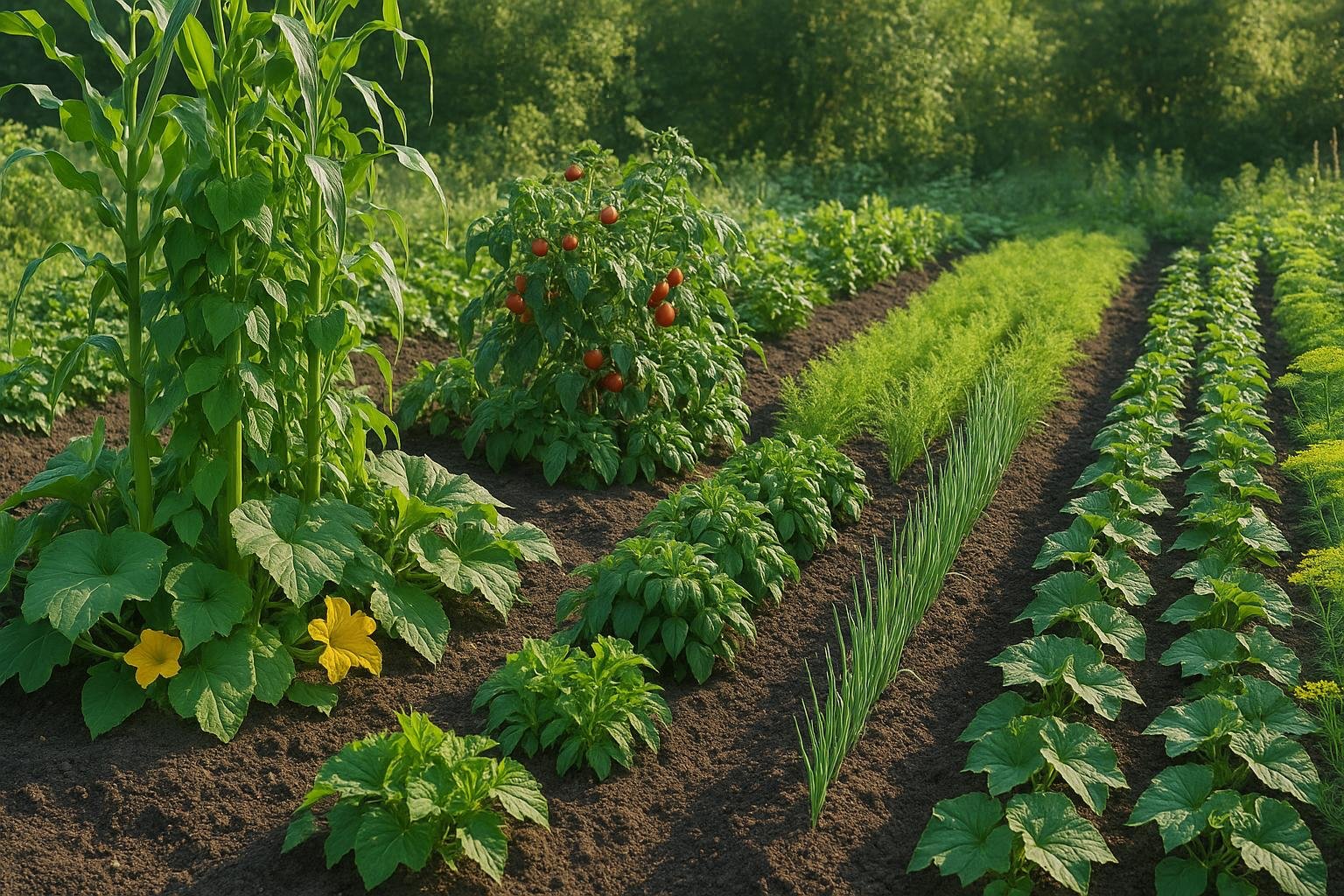
In the classic Three Sisters planting guide, corn provides a tall stake for climbing beans, beans fix nitrogen to enrich the soil, and squash or mulch helps shade and conserve moisture. This pairing supports better soil health and can boost overall yield by using vertical space in spring beds.
- Benefits: nitrogen fixation by beans; natural support for corn; weed suppression and moisture retention from squash mulch; biodiversity that deters some pests.
- Setup tips: plant corn in a row; sow beans near the corn to climb as they germinate; space plants about 12–18 inches apart and provide a trellis or stakes for beans; add squash at the edges if space allows.
Pairing B: Tomatoes and basil: pest deterrence and flavor
Basil near tomatoes is a classic pairing in pest deterrence and culinary bonus. Basil may help deter some insects and can enhance tomato flavor when grown nearby. Plant basil around tomato clusters with adequate sun and spacing.
- Benefits: pest deterrence from certain insects; enhanced flavor from nearby herbs; convenient, nearby harvests.
- Setup tips: plant basil 12–18 inches from tomato stems; avoid overcrowding; provide full sun and even moisture; pinch back regularly to encourage bushier growth.
Pairing C: Carrots and onions
Carrots and onions form a practical spring pairing that supports soil health and pest management. Onions’ scent helps deter carrot flies, while carrots thrive in the loose soil created by shallow-rooted onions. Interplanting can maximize space in small beds.
- Benefits: pest deterrence for carrots; efficient use of space; staggered harvests from separate crops.
- Setup tips: sow carrots in one area and place onion sets or small onions nearby but with some spacing; ensure good drainage and consistent moisture; thin carrots as they grow to avoid crowding.
Pairing D: Cucumbers and dill
Dill attracts beneficial insects that prey on cucumber pests and can support healthier, more vigorous cucumber growth. Plant dill near cucumber rows but give each plant enough space and sun to thrive.
- Benefits: pest deterrence through attracting predators; improved cucumber vigor and health.
- Setup tips: plant dill a short distance from cucumber rows or along bed margins; provide full sun and regular watering; harvest dill regularly to encourage bushier growth.
Tip: Combine these pairings with regular inspection and consistent watering for best results. This approach aligns with the pest deterrence and soil health benefits of companion planting and is scalable from small containers to larger beds.